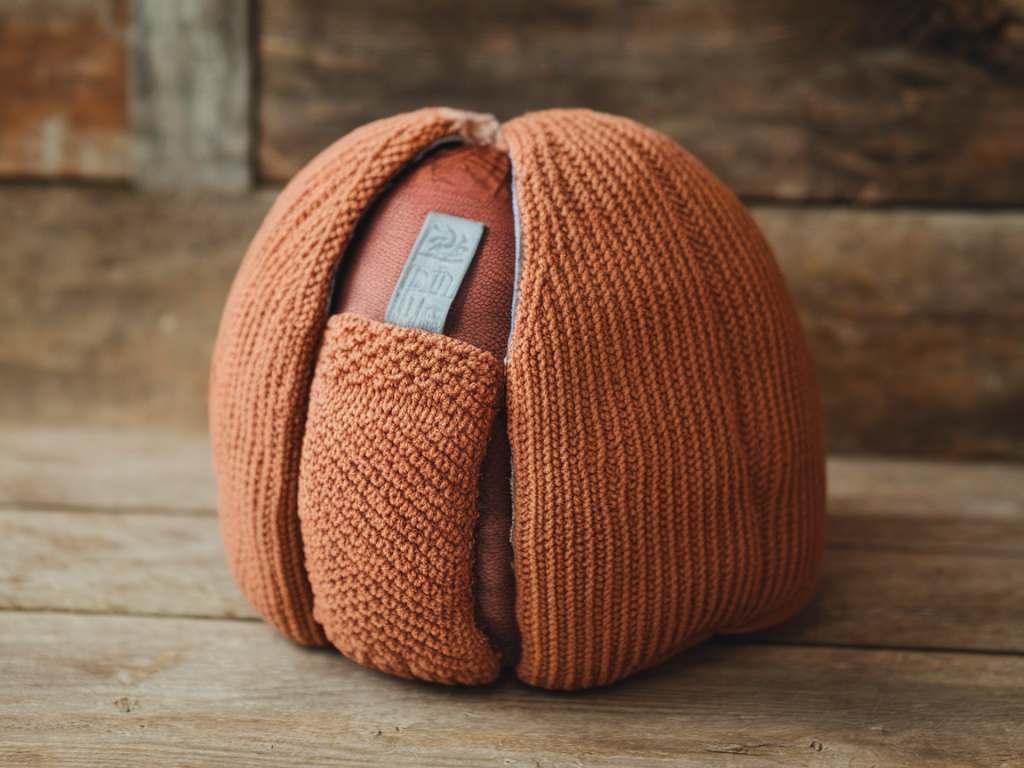
Why I wanted a smell-proof knitted companion
I've made dozens of small knitted characters for festivals, market stalls, and quiet evenings at home. They travel with me in rucksacks, sit in festival campervans, and sometimes spend time in someone's coat pocket. After a weekend at a muddy folk festival or a week living in a caravan with damp gear, I noticed that my knitted companions started to pick up odd scents — campfire smoke, damp canvas, and the faint perfume of festival curry. I wanted a way to make characters that could hold a scent if I wanted them to (a lavender sachet, say) and equally to protect them from unwanted smells.
That’s how I began experimenting with silicone-lined stuffing and washable yarns. The result has been a handful of characters that feel the same to knit and cuddle, but are significantly more resistant to absorbing and retaining odours. Below I’ll walk you through my approach: materials, construction techniques, laundering tips, and practical notes for festival life.
Materials I use (and why)
Choosing materials is the first step — and it matters. I’m partial to Patons washable yarns because they’re sturdy, widely available, and kind to repeated washing. For smell-proofing, the key piece is a silicone-lined inner pouch or layers of silicone-coated fabric that sit between the knitted shell and the filling.
- Yarn: Patons Classic Wool Merino or Patons Beehive 4-ply (depending on pattern). I often use washable blends marked “machine washable” so characters can be laundered without felting or losing shape.
- Silicone-lined stuffing pouch: a small fabric pouch with a silicone coating on the inside. You can buy ready-made odour-proof sachets or make one using lightweight silicone-coated nylon (often sold for outdoor gear) or silicone-treated fabric for food-grade uses.
- Filling: Polyester fibrefill (hypoallergenic, light) or recycled PET stuffing. For firmer bodies I mix with small pellets (poly pellets) — but keep pellets inside the silicone pouch too.
- Scent sachet (optional): a tiny cotton or muslin sachet with lavender or cedar, which I place inside the silicone-lined pouch if I want a pleasant scent that’s protected from the knitted shell.
- Notions: yarn needle, sewing thread, fine rotary cutter or scissors for the pouch, sewing machine (helpful but not essential), and small snaps or a zipper if you want the pouch to be removable.
How silicone-lined stuffing works
Silicone is a barrier material: it doesn’t absorb oils and is less breathable than plain fabric. When used as an inner lining, it prevents odours (which often cling to fibres and oils) from transferring between the filling and the knitted shell. The knitted fabric remains soft and breathable on the outside, while the silicone-lined pouch keeps the inner surface relatively inert.
It’s important to be realistic — this isn’t a permanent airtight vacuum. Over months and with heavy exposure to smoke or strong smells, scent molecules can eventually pass through seams or the knitted shell itself. But silicone-lined stuffing delays and dramatically reduces scent transfer, and it makes washing and airing much more effective.
Step-by-step: making a smell-proof knitted companion
Below is the workflow I follow. I keep it deliberately simple so you can adapt it to any character pattern.
- 1. Knit the outer shell as usual. Follow your pattern. Use Patons washable yarn if you want easy laundering later. Keep the shell slightly larger if you plan to insert a pouch — allow about 5–10% extra volume.
- 2. Make or prepare your silicone-lined pouch. If you’re sewing one yourself: cut two identical pieces of silicone-coated fabric slightly smaller than the interior of your knit toy. Stitch three sides together with the silicone surface on the inside, turn right side out (silicone will be inside) and leave one side open. If buying pre-made sachets, select a size that fits comfortably inside the toy.
- 3. Insert filling into the silicone pouch. Add polyester fibrefill, pellets, or a mix. If you want a scented option, place a tiny muslin sachet with dried lavender inside the silicone pouch — this keeps the scent contained but makes it easier to replace or re-scent later.
- 4. Seal the pouch securely. I hand-stitch the remaining side with a small ladder stitch or use a lightweight zipper or snap for removable pouches. Ensure seams are tight — loose seams are where smells can escape.
- 5. Place the sealed pouch inside the knitted shell and close the toy. Stuff the silicone pouch in gently so the shell sits smoothly. Close the toy as your pattern instructs.
Practical tips for patterns and stuffing density
I learned a few small adjustments that make the process more successful:
- Oversize slightly: Add a couple of extra stitches in body circumference if your pattern is very fitted. The silicone pouch takes up a little extra space and you don’t want the character to look stretched.
- Use fewer pellets: If you like a weighted toy, keep pellets inside the silicone pouch only. Pellets outside the pouch (directly against the knitted fabric) will increase scent transfer.
- Mind seams: When you close the knitted shell, use tight mattress or invisible stitches so there aren’t easy gaps for smells to pass through.
- Position scent neatly: If you want a scented toy, place the small scent sachet in the centre of the silicone pouch so the aroma disperses evenly yet stays contained.
Washing, airing, and festival care
One big advantage of a silicone-lined inner pouch is that laundering becomes much less stressful.
- Machine-washable yarns: With Patons washable yarn, you can usually machine wash on a gentle cycle. Before washing, I remove any removable pouch or open and hand-wash the silicone lining to rinse out trapped aromas. If the pouch is sealed, I still run a mild cycle; the silicone reduces absorption so the outer yarn stays fresher.
- Hand-wash sensitive items: For delicate characters, hand-wash the knitted shell in cool water with a gentle detergent. Remove the silicone pouch first if it’s designed to be removable.
- Air regularly: Between washes, I air my festival companions overnight outside (not in direct sun if colours are delicate). Silicone-lined stuffing helps keep campfire and damp smells from settling, so airing is often enough.
- Refresh scent snippets: If you like a hint of lavender, replace the little muslin sachet every season rather than overfilling; less is more.
Safety and permanence: things to watch
A few caveats from my own trials:
- Heat: Some silicone-coated fabrics can be sensitive to very high heat. Avoid tumble drying on high or ironing over the silicone layer.
- Small parts: If the toy is for a child, ensure the pouch closure is secured and that snaps or zips are firmly attached. Consider bonding the pouch closed if it’s likely to be chewed.
- Not absolute impermeability: Silicone-lined stuffing reduces scent transfer dramatically but doesn’t create a vacuum. For extremely strong or persistent odours (e.g., heavy smoke), multiple cleanings and airing may still be required.
Why I keep using Patons and silicone-lined stuffing
In short: reliability and ease. Patons washable yarns have allowed me to design characters that withstand the scrapes of festival life and the occasional sink wash. Combining that with a simple inner barrier — a silicone-lined pouch — has made my knitted companions much more versatile. They travel, they sit in damp festival tents, they endure the odd curry spillage in a bag, and yet they come out smelling like themselves rather than the campsite.
If you’re making characters to sell at maker markets or to send to friends who’ll tote them to potlucks and festivals, this technique is a small step that adds resilience and care. And if you’re like me — wanting a knitted friend that feels cosy and festival-ready — it’s a fun little upgrade that keeps the craft tactile and practical.