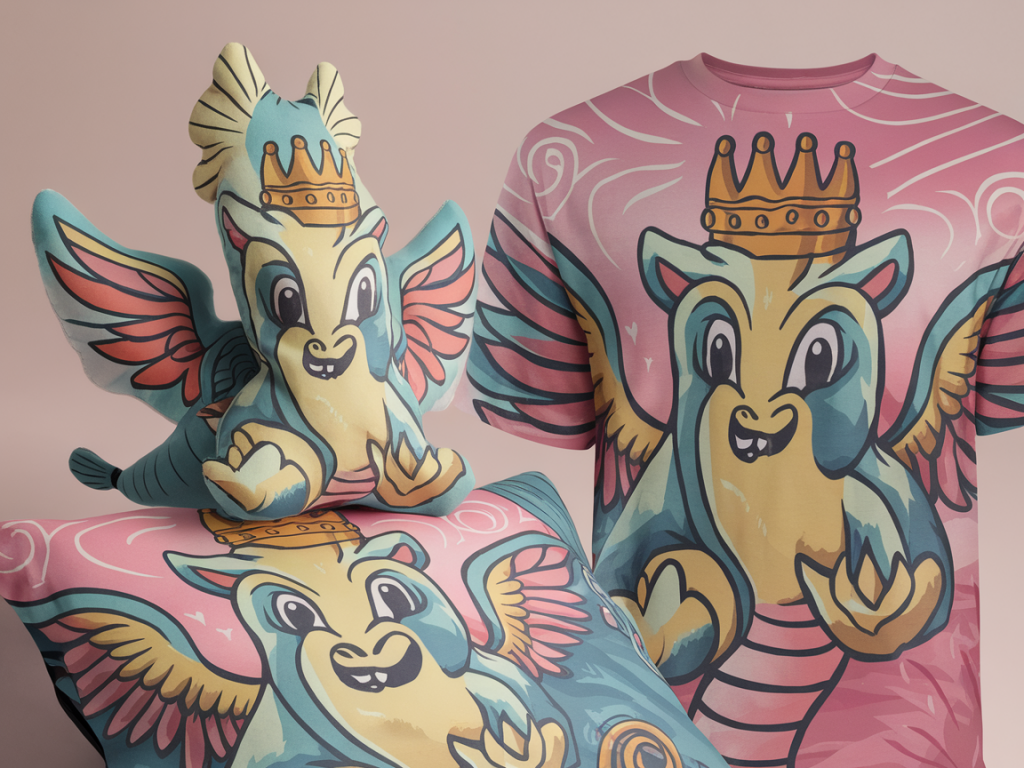
I once took a single Somerset folktale — a clever sheep that outwitted a grumpy shepherd — and turned it into three different products that sat happily beside each other on my festival stall: a downloadable knitting pattern, a small handknit plush, and a short sung-tale performance. The trick wasn’t magic; it was thinking in tiers from the start, so each item felt like part of the same family while speaking to different kinds of makers and festival-goers.
Start with the story, not the product
When people ask me how they should begin, I always answer the same way: start by retelling. A regional folktale has tone, pacing, characters, and motifs. Before you sketch a toy or draft a pattern, sit with the story until you can tell it aloud in different ways — as a quick anecdote, as a picture-book rhythm, and as a three-minute stage piece. That flexible retelling becomes your north star.
For my sheep tale I distilled three essential elements: the sheep’s quirky scarf, the shepherd’s tall boots, and the hedge where the trick happened. Those three images informed every product decision: the pattern highlights the scarf technique, the plush has removable boots, and the performance uses the hedge as a stage prop.
Define the three tiers and their audiences
- Pattern (digital or printed): For makers who want to recreate the character themselves. Low physical overhead, high creative satisfaction.
- Plush (finished toy): For buyers who want an instant object—often festival shoppers, gift buyers, and collectors.
- Performance (in-person or digital): For audiences who want the story performed, often tied to events, workshops, or online video content.
Think of these tiers as overlapping circles. Some customers will move across them: a knitter may buy the plush as a reference, or a family who enjoyed the performance may want a cuddly companion afterwards.
How I design the pattern so it scales to a plush and a show
Designing with translation in mind saves hours later. I write patterns as narrative instructions that also make good stage notes. For example, when the pattern describes the sheep’s scarf in three-colour stranded knitting, the same colour choices become costume cues for the performer and patchwork on the plush. That cohesion helps brand recognition — when people see the plush at a market after watching the show, they immediately make the connection.
Practical steps I take:
- Make a one-page concept sheet for the tale: colours, textures, props, and a short tag line.
- Design a prototype pattern first on double-pointed needles or Magic Loop if you prefer; test it at 3 sizes (child, doll, display).
- Keep modular elements: detachable accessories (scarf, hat, boots) that can be described in pattern notes and replicated on the plush.
Pattern production: the nitty-gritty
People expect patterns to be clear and usable. I use a small checklist to make sure each pattern is festival-ready:
- Clear materials list with UK and US yarn equivalents.
- Step-by-step photos for tricky sections (grafting, shaping).
- Gauge and finished measurements with suggestions for size adjustment.
- Tech editor feedback and at least five testers in different skill levels.
- Licensing note that lets buyers sell finished items in small batches (I usually allow sales up to 25 items).
When pricing a pattern, remember festival shoppers expect affordable impulse buys. I price simple single-character patterns lower (around £3–£6) and larger multi-piece kits or pattern bundles higher (£8–£15). If you offer a printed version, consider a small festival-exclusive bundle that includes a printed pattern and a mini-skein sample to encourage immediate engagement.
Making the plush: craft, scale, and sustainability
The plush must look like the pattern but be robust for hands and travel. I start with a hand-stitched prototype, then decide whether to make each toy by hand or use a small batch manufacturer. Key considerations:
- Materials: Choose washable, durable fibres (e.g., acrylic blends or superwash wool) and safe stuffing (OEKO-TEX or recycled polyester).
- Safety: If selling to families, avoid small parts for under-3s, or add a warning label.
- Pricing: Factor in labour (handmade plush takes time), materials, and stall fees. For a 20–30 cm plush at a festival, I often price between £30–£60 depending on complexity.
- Editioning: Limited runs (e.g., “Festival Edition” with a sewn-in label and story tag) create urgency and collectability.
One practical trick: include a tiny printed tag with a one-paragraph version of the folktale and your website (https://www.knittedcharacterfolkfestival.co.uk). That tag turns a purchase into a narrative object and drives traffic back to your site for patterns and upcoming shows.
Performance: turning a tale into an experience
A performance doesn't have to be a full one-hour show. Short formats work best at festivals: a 10–15 minute piece that combines storytelling, a simple prop, and an interactive moment (sing-along, call-and-response, or a quick craft) is gold.
Structure I use:
- Opening image: introduce the character with a prop identical to the plush.
- Promise: set up the problem quickly.
- Playful complication: use gestures and short songs to keep children engaged.
- Resolution with a hook: end by inviting the audience to find the pattern or plush at your stall.
Logistics: always carry a foldable banner showing the product line, printed pattern copies, and a small display plush. If possible, offer an immediate takeaway — a postcard with the story and a QR code to buy the pattern online. At larger festivals I coordinate with festival programmers to run a short workshop where attendees can make a tiny accessory (a scarf or sewn-on badge) to take home with them. That workshop becomes a funnel to both pattern sales and plush purchases.
Pricing and packaging across tiers (a simple comparison)
| Tier | Typical price (UK) | Perceived value |
|---|---|---|
| Digital pattern | £3–£15 | High for makers; low barrier to entry |
| Handmade plush | £30–£80 | High tactile value, collectible |
| Performance/workshop | Free–£10 (drop-in) or £5–£20 (ticketed) | Experiential, drives impulse purchases |
Marketing: how I connect each tier
Coherent branding is crucial. Use the same colour palette, font, and photographic style across your pattern PDF, plush tags, and promotional posters. Social media teasers work well: film a 30-second clip of the plush being used as a prop in your performance, or a time-lapse of you knitting the scarf. At festivals, hang a display of the finished pattern, a small set-up with the plush in context, and a schedule card for performances.
I also create small bundles: a “Festival Starter Pack” that includes a printed pattern, a tiny accessory kit, and discounted entry to the next online performance. Bundles increase average spend and create a stronger narrative link between the tiers.
Rights, permissions, and respect
If your folktale is part of a living tradition, reach out to local storytellers, cultural organisations, or community elders. Credit sources on your pattern and performance notes, and consider sharing a portion of profits with community projects or using your platform to promote cultural heritage initiatives. This isn't just ethical — it also builds trust and enriches the work.
Turning one regional folktale into a tiered product line isn’t about repeating the same thing three times. It’s about translating a single narrative into three different languages: the language of a maker, the language of a shopper, and the language of an audience. When those translations share motifs and a clear visual identity, they reinforce each other — and the little knitted character lives in people's hands, homes, and memories long after the festival lights have cooled.