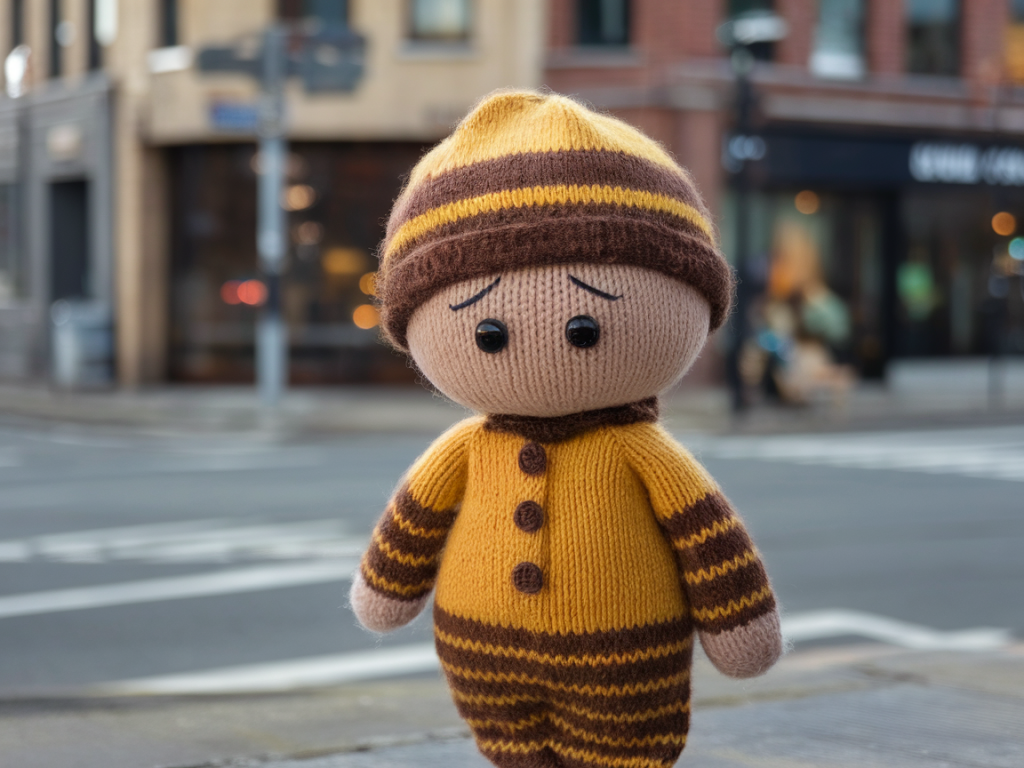
When I first imagined staging a pop-up knitted character performance at a tiny summer fete, I had two things: a pocketful of hand-knit gnomes and a head full of stories. I didn't have funding. Microgrants changed that. They turned a weekend stall into a believable little world where knitted figures wandered through crowds, told short tales, and invited festivalgoers to stitch a memory into a communal scarf. If you're dreaming of bringing your own knitted cast to life in a public, temporary setting, here are practical, tried-and-true steps I used—and still use—to win microgrant funding for pop-up performances.
Know what a microgrant is and why it's right for pop-ups
Microgrants are small pots of funding—typically from £200 to £3,000—offered by local councils, arts organisations, and festival funds. They're built for experimental, community-centred projects: perfect for low-overhead, high-impact pop-ups. Because these grants value accessibility and connection over large-scale production, they suit knitted character performances that prioritise intimacy, craft, and audience engagement.
Start with a crisp, irresistible concept
Funders are flooded with applications. The first thing you must do is make your project instantly understandable and compelling. I frame mine around a clear "why": why this pop-up matters now, who it will reach, and what people will experience. Think of a one-sentence pitch that answers:
Example pitch I used: "A wandering knitted-characters promenade that invites festival audiences into quick, participatory folk tales—connecting stitchers and listeners through hands-on mini-workshops and collective story-stitching." Short, sensory, and purpose-led.
Match your proposal to the funder's priorities
Read call-outs carefully. Many microgrant panels look for community engagement, accessibility, environmental sensitivity, or wellbeing outcomes. Tailor your language to what they care about. If a fund highlights sustainability, explain how you use reclaimed yarn, repair practices, and low-energy staging. If inclusion is stressed, detail how your pop-up will be wheelchair-friendly and offer multi-sensory elements for neurodivergent visitors.
Build a simple but believable budget
Microgrant assessors want to see realism. Don't invent fancy line items: list materials, modest artist fees, small travel costs, a minimal allowance for publicity, and basic PPE/insurance. I always include the cost of a public liability insurance policy and a small contingency (5–10%). Here's a sample budget table I adapted for a £1,200 request:
| Item | Cost (£) |
|---|---|
| Artist fees (2 performers, 8 hrs @ £15/hr) | 240 |
| Materials (reclaimed yarn, buttons, felt) | 120 |
| Portable props & signage (fabric banner, handcart decals) | 150 |
| Public liability insurance | 80 |
| Travel and small per diems | 100 |
| Marketing (flyers, social media boosts) | 100 |
| Venue hire / pitch fee | 200 |
| Contingency (5%) | 60 |
| Total | 1,050 |
Keep the ask sensible. It's better to request slightly less and deliver more than to promise too much and underdeliver.
Demonstrate experience with evidence, even small
Microgrants seldom demand long CVs, but panels want proof you can deliver. Use concise evidence: links to short videos, photos of previous knitted characters, testimonials from markets or festival organisers, and simple eval forms from prior pop-ups. I often include a 2-minute clip of a previous performance—capturing audience faces, a moment of hands-on engagement, and a closing bow. No need for cinematic polish; authenticity counts.
Plan for accessibility and audience engagement
Microgrant panels love inclusive design. Spell out practical steps you’ll take: tactile storyboards for visually impaired visitors, quiet corners for sensory breaks, printed large-type notes about each character, and short runs to respect attention spans. Detail how people will participate—maybe by adding a knitted square to a communal tapestry or learning a one-row garter-stitch to join a living chain of characters. These tangible outcomes make your project measurable and memorable.
Show how you'll evaluate success
Evaluation doesn't need to be an academic thesis. Practical measures resonate: visitor numbers, number of knitted squares added to a communal piece, short exit interviews, photos (with consent), and social media engagement. I provide a simple monitoring table in applications: target audience numbers, what we'll count, and how we'll collect feedback. For example:
Frame a clear timeline and risk assessment
A timeline reassures funders you can organise within their payment schedule. Include key dates: prep, publicity, dress rehearsals, performance days, evaluation and reporting. Add a concise risk assessment: weather plan if you're outdoors, storage for delicate knits, COVID/health measures if relevant, and a named insured contact. The most successful microgrant applications anticipate small setbacks and show how they'll be handled.
Write with warmth—your voice matters
Because knitted character pop-ups are intimate by nature, your application benefits from personality. Be concrete—describe the smell of wool, the sound of a bell on a tiny gnome's cardigan, the way a child’s fingers fumble with a drop-stitch. I use such sensory beats to make evaluators imagine the scene. But balance warmth with clarity: funders still need facts, so weave evocative details into a pragmatic structure.
Follow up and steward the relationship
If you win, keep the funder updated. Send a short project timeline, invite them to a performance, and promise a final report with photos and impact numbers. If you don't win, ask for feedback—many microgrant panels provide brief notes that can sharpen future bids. I once revised a rejected application to clarify audience numbers and won the next round; that feedback was invaluable.
Leverage small wins into bigger opportunities
A well-run microgrant project produces real stories and metrics you can repurpose: press releases, social media reels, and a concise case study for future funders. Collect comments, stitch fragments of audience-made scarves into a show-and-tell, and create a one-page summary you can email to other festivals or funders. Small, polished deliverables make a big impression.
There’s a special kind of alchemy when a microscopic purse of funding brings a stitched world into a public place: people slow down, fingers find yarn, and brief encounters become shared memories. Microgrants are designed for that kind of intimacy. With a clear pitch, honest budgeting, and a warm, practical plan, you'll have everything you need to bring your knitted characters out of the drawer and into the crowd.