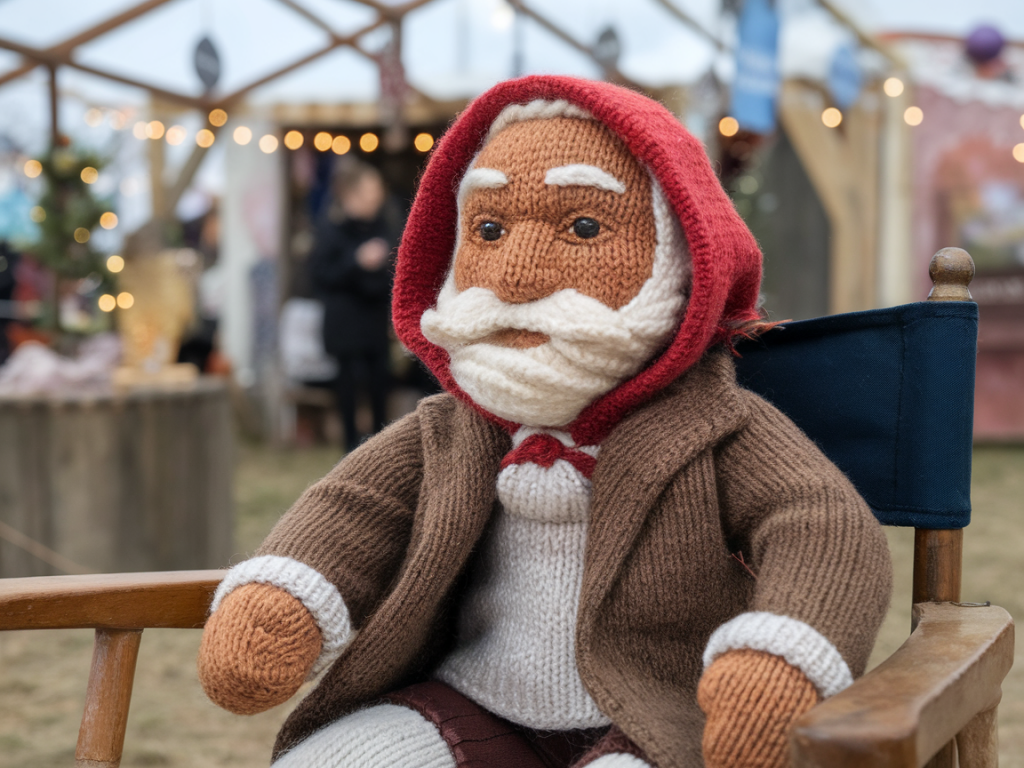
Putting together a weekend festival pop-up of limited-edition knitted folk characters is one of my favourite challenges: it’s equal parts design, salesmanship and storytelling. Over the years I’ve learned that pricing and packaging aren’t just about covering materials and time — they’re a way to extend the narrative of the characters and to create a memorable transaction for visitors who might only see your stall once. Below I share practical steps, pricing models, packaging ideas and display tips I use when I prepare for a festival weekend.
Start with a clear costing sheet
If you don’t know your true costs, you can’t price with confidence. I always make a simple spreadsheet before I begin a limited run. Include:
- Materials: yarn, stuffing, buttons/eyes, fabric for clothing, felt, labels, tags, bags.
- Tooling & consumables: needles, stitch markers (amortised over many projects), sewing thread, glue.
- Labour: your time. Be realistic — estimate hours per character and assign an hourly rate you’re happy with (I treat this like any other creative job).
- Overheads: stall fees, travel, accommodation, utilities, marketing, insurance.
- Packaging & finishing: hang tags, tissue paper, ribbon, boxes, postage materials if you offer shipping.
Once you add those up you’ll have a baseline cost per piece. For a limited-edition piece you can afford to build in extra for the “limited” value — more on that below.
Choose a pricing strategy that suits the story
There are a few strategies I rotate between depending on audience and festival vibe.
- Cost-plus pricing — Cost + markup (common, straightforward). Calculate total cost and add a markup of 2–3x your labour, or 50–100% markup overall. Works well if you want a clear profit margin.
- Value-based pricing — Price according to perceived value. If your characters are hand-felted, have hand-stitched costumes, or are based on an original folktale, shoppers often accept higher prices for uniqueness and story.
- Tiered pricing — Offer several tiers: a standard small character at an accessible price, a limited-edition medium with special details, and a premium large or signed-and-numbered edition. This helps capture different budgets at the same event.
- Edition-based premium — For truly limited pieces (e.g., ’Only 20 produced’), add a scarcity premium. People buy scarcity — but be honest and transparent; number and sign each piece.
I usually combine cost-plus for a base price and value-based for upgrades. For a weekend pop-up, I’ll price base pieces lower to draw people in, and reserve a few spectacular, numbered pieces for collectors.
Packaging that enhances the narrative (without breaking the bank)
Packaging should protect the toy, feel special, and be practical for festival buyers who may be travelling home. I favour simple eco-conscious solutions that look thoughtful:
- Tissue-wrapped in kraft paper with a wax-sealed tag or branded sticker — cheap, lightweight and tactile.
- Sturdy card boxes (small window option) for premium pieces — these can be reused by the buyer to store the character.
- Muslin drawstring bags branded with a rubber stamp — lovely for small characters and sustainable.
- Information cards that tell the character’s name, edition number, materials and care instructions. I always include a tiny note about the folktale or inspiration — it adds value.
Branding need not be expensive. I use a simple rubber stamp with my blog/brand name and a hand-written edition number. For weekend festivals I avoid bulky, heavy packaging so customers aren’t weighed down when they explore stalls.
Display and signage that justify your prices
A well-presented stall helps people understand value before they ask price. Think of display as part of your packaging:
- Group characters into scenes — small dioramas or wooden crates with moss and bunting give a festival, folk feel and let people imagine the characters in a home.
- Clear price tags + stories — each tag should show price, edition number (if applicable), and a line or two about the character’s story.
- Highlight the limited editions — put numbered pieces on a small plinth or glass cloche. Use a little card that reads “Limited edition: 1 of 20 — hand-signed”.
- Accept cards and contactless — don’t lose sales because you only take cash. Square, SumUp or PayPal Here are great for small makers and festivals.
Pricing examples and a simple table
To give a concrete sense, here are three example tiers I’ve used for weekend festivals (figures are illustrative; adjust to local costs):
| Tier | Materials & labour (approx.) | Price | Notes |
|---|---|---|---|
| Standard small | £8–12 | £20–30 | Accessible impulse buy, basic features |
| Limited medium | £18–30 | £45–80 | Hand-stitched clothing, small run (e.g., 30) |
| Collector’s edition | £40–70 | £120–250+ | Numbered, signed, premium packaging, unique accessory |
Bundles, add-ons and festival-only incentives
Bundles are a gentle way to increase average order value. I often create festival-only bundles:
- Buy two small characters, get a third at 30% off.
- Festival-exclusive scarf or button with each limited edition.
- Offer a discount code for online follow-up purchases or pre-orders for sold-out pieces.
People love exclusivity at festivals. A small card that says “Festival days special: free gift wrapping” can sway a hesitant buyer.
Handling scarcity, numbers and authenticity
Be transparent. If you say “Limited edition 15”, make sure you have 15 or fewer. I number and sign each collector piece on a small sewn-in label and include a certificate-style info card explaining the edition and inspiration. If possible, photograph each piece with its number for online records — collectors appreciate provenance.
Practical festival tips
A few nitty-gritty things that matter on the weekend:
- Bring price lists and change in a tidy box; keep high-value pieces secured overnight.
- Have clear return/exchange policies visible — festival purchases are often impulsive and buyers value straightforward policies.
- Offer local shipping if someone wants a large piece shipped home rather than carrying it on a train or packed in a car.
- Use social proof — a small chalkboard with “3 sold today” or a pinned Instagram post from earlier buyers can prompt purchases (be honest).
I remember one summer fête where I underestimated how many people would want the mini trickster-folk I’d knit in bright orange wool. By mid-afternoon all the minis were gone and shoppers were asking if I’d make more. I’d priced them as an impulse buy and missed out on an opportunity for few higher-value runs. Now I always keep a handful of mid-tier pieces back and a sign-up sheet for sold-out pieces — a simple pre-order can convert festival interest into online sales and means you don’t undersell your work again.
Pricing and packaging limited-edition knitted folk characters is as much about the story you tell as the numbers on the tag. Treat pricing as part of your creative decision-making: it communicates the care, craft and cultural resonance behind each character. When done well, buyers leave not just with a tactile object but with a little tale and a memory of finding it at your stall on a bright festival day.