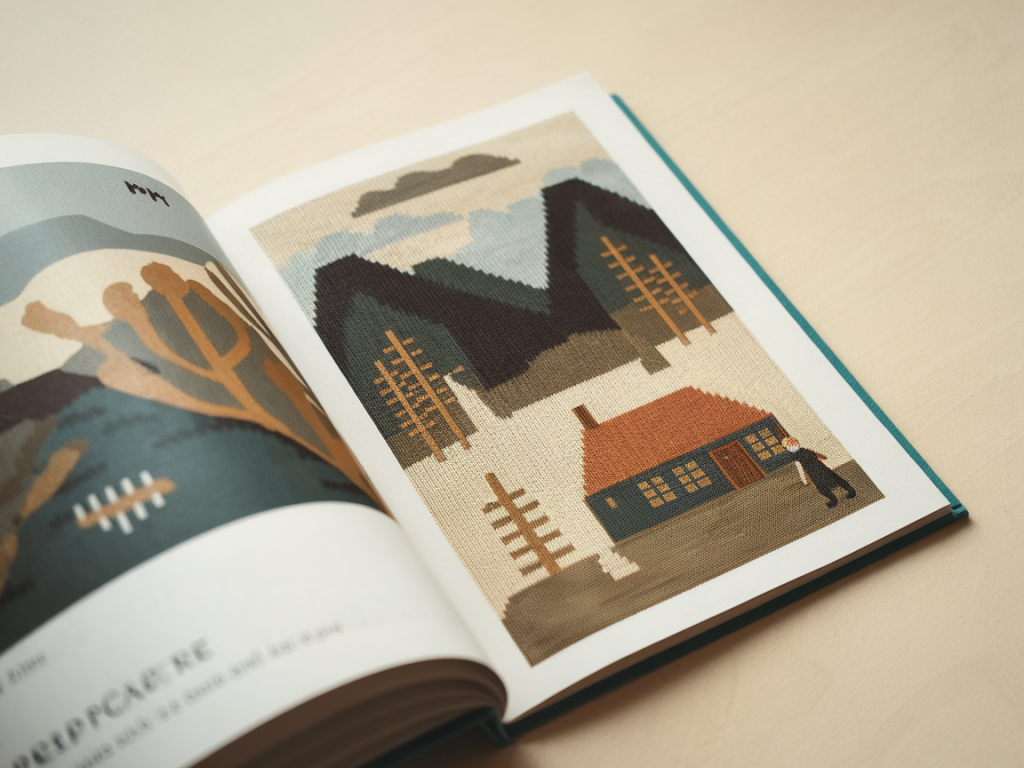
I learned to collect folktales at summer festivals, notebook balanced on my knee while a fiddler warmed up and a maker braided bunting nearby. Turning a local tale into a knitted pattern pack that you can sell is one of my favourite ways to braid storytelling and craft together — but it does take careful thought about rights, ethics, and clear pricing so you honour the story and make a living from your work.
Choose and document the tale carefully
Start with good fieldwork. When I collected a tale from an elder at a village fête, I always took notes, asked permission to record, and wrote down exactly where and from whom the version came. This serves two purposes: it honours the teller by attributing the source, and it protects you if questions about provenance arise later.
Practical checklist:
Understand copyright and public domain
Folktales, in their raw oral form, are generally in the public domain. But the moment you record, transcribe, or transform a specific person’s unique retelling, that expression may have copyright protection, especially if it’s recent. I learned this the hard way when a charming variation of a trickster tale I loved turned out to be the unique performance of a living storyteller who wanted attribution and a share of any proceeds.
Guidelines:
Drafting permissions and rights agreements
I now always use a simple written permission form when I plan to sell a pattern inspired by someone’s story. It’s short, clear, and respectful.
Key clauses to include:
Model language: “I grant [your name/business] permission to adapt and sell textile patterns inspired by this tale. I will be credited as: [name or description]. I understand that I will receive: [payment/credit].” Keep it simple and have both parties sign and date it.
Designing the pattern pack
A sellable pattern pack should feel like an experience, not just a set of instructions. I like to include:
You may also make variants: a basic pattern for beginners and an “illustrated” deluxe pack with patterns for accessories and a longer story booklet.
Pricing strategy: practical table
Pricing depends on your audience, your reputation, and what’s included. Here’s a simple table I use to decide baseline pricing. Adjust for fibre costs, photography, editing, and whether you include storytelling text or extras.
| Pack Type | Contents | Suggested Price (USD/GBP) |
|---|---|---|
| Basic PDF pattern | Pattern + minimal photos | £4–£8 / $5–$10 |
| Deluxe pattern pack | Pattern + story blurb + extra props + charts | £10–£18 / $12–$22 |
| Collector’s pack | Printed booklet + pattern + props + limited edition tag | £20–£40 / $25–$50 |
My own rule: if your pack includes original storytelling transcription from a living teller, budget for a share of the revenue. A fair split could be a one-off flat fee for the storyteller (e.g., £30–£100 depending on their time and the market) or a small royalty (5–15%) on sales of packs that specifically use their version.
Licenses and usage terms
Be explicit about what buyers can do with the pattern:
Example license line to include in your PDF: “This pattern is for personal use and for sale of a limited number of finished items. Please credit [Your Name / Knitted Character Folk Festival Co.] and the original storyteller when selling finished pieces.”
Marketing with care
When you promote the pack, foreground the cultural context and the storyteller. Share photographs from the festival, short audio clips (with permission), or a small behind-the-scenes note about how you collected the tale. This builds trust and gives buyers a richer experience.
Avoid exoticising language or implying ownership over a community tradition. I always use phrases like “inspired by” or “collected from” rather than “this is my tale” when the source is communal.
Keeping relationships alive
One of the most rewarding parts of this work is giving something back. Options I’ve used:
These gestures aren’t just ethical — they build long-term relationships and can lead to more collaborative projects.
Turning a collected folktale into a product is an act of translation: you’re translating spoken narrative into stitch and pattern, and with that comes responsibility. Be clear, be fair, and let the story breathe in your finished work — your buyers will feel the difference, and so will the communities who shared the tale with you.