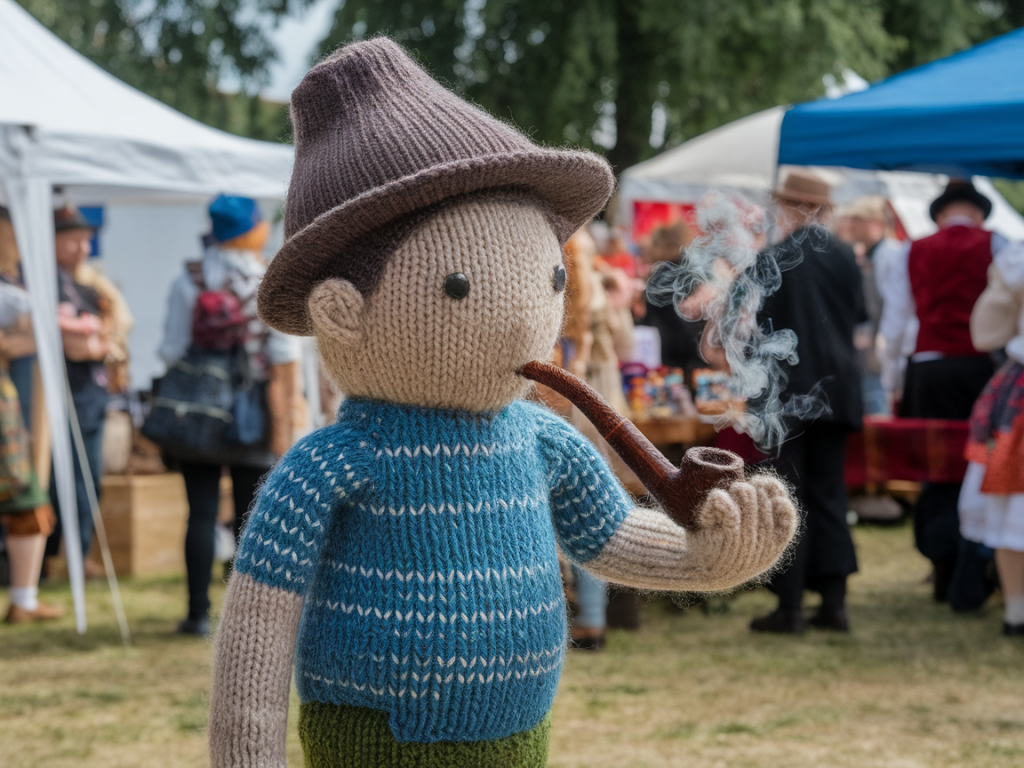
I’ve spent many festival weekends with a tote of knitted characters tucked under my arm, dodging campfire smoke, mud, and the perpetual hug-induced dampness of enthusiastic folk-festival crowds. Over time I’ve learned that keeping those small beings looking and smelling fresh across a three- or four-day run isn’t just about good hand-washing — it starts at the yarn shelf. Below I share the practical yarn blends and treatments that have saved my characters from smoky sleeves, festival sweat, and the occasional spilled cider.
Why yarn choice matters for multi-day events
When your tiny knitted person spends hours in a marquee, in pockets, on picnic blankets or perched on a steward’s shoulder, it’s exposed to two main challenges: smoke/soot and moisture from hands and bodies. Smoke deposits carbon particles that cling to fibers; moisture brings salt, oil and biological material that can lock in smells and encourage wear. Yarn composition determines how much these things stick, how easy the item is to clean, and how the character ages over a busy weekend.
Key properties I look for
- Hydrophobic vs. hygroscopic: Synthetics (polyester, acrylic) are hydrophobic — they don’t soak up sweat as much. Wool is hygroscopic: it absorbs moisture but also releases it well and retains warmth when damp.
- Surface texture: Smooth, tightly spun yarns shed soot more readily than fuzzy, hairy yarns (think: brushed mohair versus DK wool).
- Washability: Festival life means stains. Superwash wools and many acrylics survive machine or hand washing repeatedly.
- Treated fibres: Some yarns come with antimicrobial or stain-resistant finishes; others can take aftercare treatments to improve resistance.
Blends I use and why they work
Below are the blends I turn to for different parts of a character (face, body, clothing, hair). Mixing fibres within one toy — for instance a woollen body with acrylic clothing — gives you both resilience and charm.
- Wool / Nylon (75/25 or 80/20): This is my go-to for bodies that need a bit of bounce and structure. The wool brings warmth, lanolin and natural flame reluctance; the nylon provides strength and abrasion resistance. It soaks up some moisture, but breathes and doesn’t retain odours as badly as cotton.
- Wool / Acrylic (50/50): A good compromise. Acrylic cuts drying time and soot pickup, while the wool maintains the ‘hand’ and folk-character look. Many commercial DK blends are in this range.
- 100% Superwash Merino (single-strand for faces): I use this where you want soft detail — faces and small hands. Superwash’s treatment removes much of the lanolin, making it machine-washable and less likely to trap heavy smoke, but it will pill more than untreated wool.
- 100% Acrylic or Polyester for clothing and hats: When I expect extra handling or damp contact — say, a festival puppet that will be passed around — I make removable clothing from acrylic or polyester. These fabrics shed soot better, dry quickly, and are easy to launder in a sink or on a camping shower line.
- Polyester core + wool wrap (core-spun): For hair and trims, consider a polyester core-spun yarn wrapped in wool. The polyester gives tensile resilience while the wool gives visual texture without becoming a soot magnet.
Special treatments and finishes
Choosing the right blend helps, but treatments make a big practical difference at festivals. Here are the options I rely on:
- Lanolin on wool: Leaving natural lanolin in wool is beneficial. It gives a small degree of water resistance and a natural soil-release effect. Avoid over-washing new wool if you want to retain that benefit.
- Silicone-based fabric sealants: For characters that will be very exposed, a light spray of a fabric protector (such as a PFC-free alternative to Scotchgard) can help. Test on a swatch first — it can alter the sheen and drape.
- Antimicrobial yarns / finishes: Yarns treated with Polygiene or similar odor-control technology are increasingly common. I use them for inner linings and hat brims — they limit microbial growth from sweat and hands and reduce lingering smells.
- Flame-retardant treatments: If your display will be very close to open flames (campfire workshops), look for commercially FR-treated fabrics or consider an extra barrier layer under the outer knit. Note: FR treatments are regulated; they reduce flammability but do not make items fireproof.
How different fibres respond to smoke and sweat — quick comparison
| Yarn | Smoke adhesion | Sweat hold / odour | Washability |
|---|---|---|---|
| Wool (untreated) | Moderate — soot can settle in fibres | Absorbs moisture; breathable but can hold odours if not aired | Good (handwashing or gentle machine); lanolin helps soil-release |
| Superwash wool | Lower than untreated wool (smoother surface) | Less odour retention than untreated wool | Excellent (machine washable) |
| Acrylic | Low — synthetic surface sheds soot | Hydrophobic but can develop surface odours from oils | Excellent; quick-drying |
| Polyester | Low | Hydrophobic; can trap sweat odours in microfibres | Excellent; durable |
| Cotton | High — soaks up soot | High — holds sweat and odours | Good, but slow to dry |
Construction tips that help almost as much as fibre choice
- Tighter gauge: Knit smaller needles for a denser fabric — soot and dust are less likely to snag in tightly packed stitches.
- Removable garments: Make outer clothing removable and knit them in acrylic or polyester. Swap them out or wash overnight at the festival campsite.
- Inner lining: Use a wipeable synthetic lining in hats or jackets if you know the character will be close to food and drink.
- Minimal fluff: Avoid highly brushed yarns for parts exposed to smoke; reserve mohair and faux fur for hair that’ll be kept in a display case or brought out briefly.
Practical festival care
I pack a small care kit in my market bag:
- Spray bottle of water and a microfibre cloth for quick wipe-downs
- Small tub of gentle soap (Ecover or Soak) and a sink-plug for emergency washes
- Baking soda sachet for overnight odor absorption
- Fabric-safe protective spray for quick re-application after laundering
Between sets I air characters near the marquee entrance so smoky air doesn’t circulate around them, and I rotate who carries what — less concentrated handling reduces salt buildup.
Products I trust
- Stylecraft Special DK (acrylic blend): A robust, washable acrylic that survives constant handling and purse-scrapes.
- When I want wool: Cascade 220 or Jamieson & Smith Shetland: both full of character, good for bodies when you pair them with a synthetic outer garment.
- Polygiene-treated yarns: I like these for inner linings — they keep smells down across consecutive nights.
At the end of a festival day, nothing replaces a quick rinse, a good airing, and a night under a baking-soda-lined zip bag if smells are stubborn. The right blend buys you resilience and ease; thoughtful construction and a tiny care kit let your knitted characters keep performing across a long weekend without losing the handcrafted charm that drew people to them in the first place.