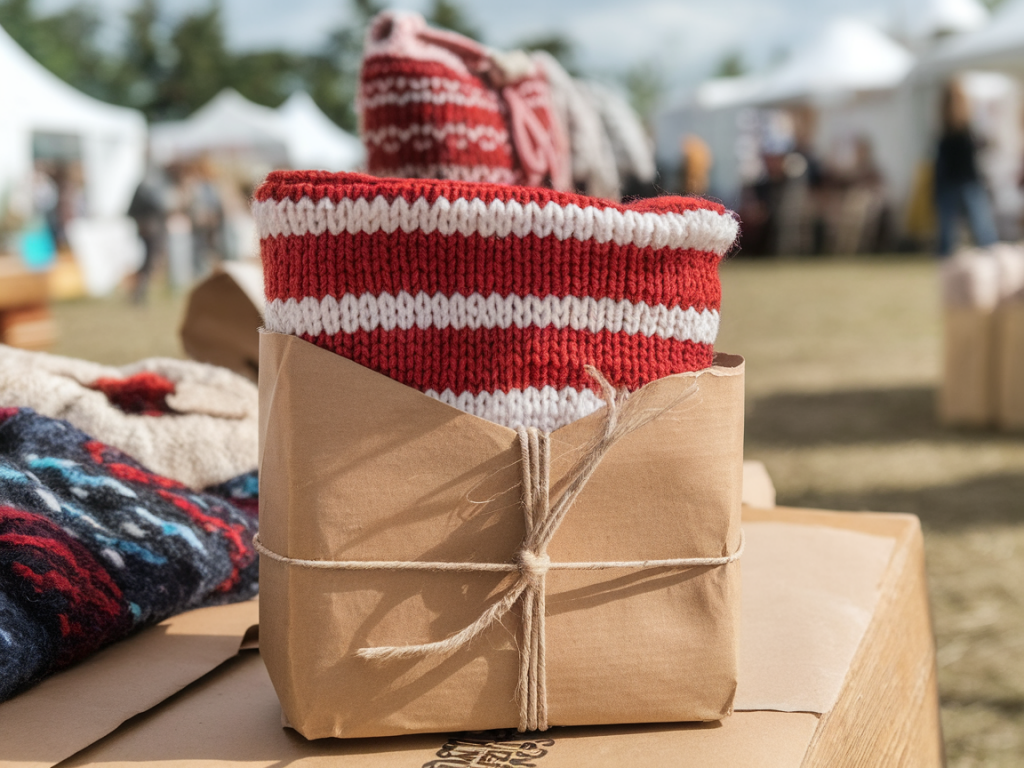
I sell knitted characters and little festival-ready gifts from a small stall at outdoor folk gatherings across the UK, so packaging isn’t just a finishing touch — it’s part of the story I hand to a buyer. Over the years I’ve learned that thoughtful, sustainable packaging both protects fragile stitches on a windy day and signals to customers that the object they’ve fallen for was made (and wrapped) with care. Below I share practical ideas, supplier tips, and making-hacks that have worked for me, from weatherproofing at stall level to compostable options for customers who want minimal waste.
Why sustainable packaging matters at outdoor festivals
At a muddy, breezy field event, packaging must do three jobs: protect, present, and travel. When you add sustainability to the brief, you’re asking it to do a fourth: reduce environmental impact. For me, that means choosing materials that are either reusable, recyclable, or compostable — and avoiding single-use plastics whenever possible. Customers notice: many festival-goers are actively looking for low-waste options, and neat, eco-friendly wrapping can help your stall stand out.
Practical, eco-friendly wrapping materials I use
- Recycled kraft paper — sturdy, inexpensive, and compostable if unlaminated. I keep a roll on hand to wrap small dolls or mitts, tying it with jute twine. If it’s wet, the paper loses strength, so I use a simple inner sleeve (see layering strategies below).
- Glassine envelopes — smooth, translucent paper that is grease-resistant and compostable in many areas. Great for small kits (buttons, safety eyes, tiny accessories). Brands like Uline and Paper Mart sell them in bulk.
- Fabric drawstring bags — cotton or linen pouches feel luxurious and are instantly reusable. I make small pouches from upcycled linen tablecloths and stamp them with my logo using eco-friendly ink. Customers often reuse them for jewellery or travel bits.
- Compostable cellophane — made from cellulose, this offers a clear view of the product and breaks down more readily than PVC-based plastics. Beware: not all municipal systems accept it, so label clearly.
- Recycled card boxes — for fragile or multiple-item purchases. I buy corrugated boxes made from post-consumer waste and add shredded paper for padding.
- Seed paper tags — plantable price tags that contain wildflower seeds. They’re a lovely festival touch and promote biodiversity when customers plant them at home.
Layering strategy for outdoor stalls
Weather is unpredictable. My go-to method is layering: a breathable inner layer, a protective outer layer, and a branded closure that invites reuse.
- Inner: use glassine or a recycled tissue paper to protect the knit against oils and moisture.
- Outer: a kraft paper wrap, fabric bag, or compostable cellophane to guard against wind and light rain.
- Closure: jute twine, cotton ribbon, or a reclaimed button. I attach a small care-and-origin card to the closure — it tells the buyer how to wash the item and what the fibre content is.
Labeling, care instructions and transparency
Part of sustainable packaging is giving shoppers the information they need to keep an item out of landfill. I include a small card with every purchase that says:
- Fibre content (e.g., 100% British wool, hand wash only)
- How to repair — a sentence on mending simple seams or where to find spare yarn
- Packaging disposal — whether the wrap is compostable, recyclable, or reusable
These cards can be printed on recycled cardstock or stamped by hand on seed paper for a playful option.
Low-cost branding that’s still eco-conscious
You don’t need glossy single-use stickers to look professional. I use:
- Small woodblock or linocut stamps with water-based inks on tissue and kraft paper.
- Custom rubber stamps for address and social handles (quick, affordable, and no-waste).
- Handwritten thank-you notes for every purchase — it’s personal, and customers often comment that it feels special.
Upcycling and second-hand materials
I source vintage scarves, buttons and fabric pieces from charity shops and flea markets to make unique gift wraps and closures. A reused scarf tied around a knitted toy not only looks charming — it becomes part of the gift. When I can, I avoid buying new materials and turn to what local charity shops offer: an excellent zero-waste hack and a way of keeping costs down at market prices.
Packaging options: quick comparison
| Option | Weather resistance | Environmental impact | Best for |
|---|---|---|---|
| Recycled kraft paper | Low (use inner sleeve) | Low, compostable | Single toys, patterns |
| Compostable cellophane | Medium | Lower than plastic, but check local composting | Visibility for small characters |
| Fabric drawstring bags | High | Reusable, moderate if new fabric | Premium gifts, sets |
| Glassine envelopes | Low | Compostable | Small accessories |
Pricing and communication with customers
Sustainable options can cost a little more upfront. I build a modest packaging fee into the price of items where appropriate, but I always make this transparent — a small note at the till like “Includes reusable linen pouch” or a price bracket that reflects handmade, eco-friendly production goes a long way. Most customers appreciate knowing what their money supports.
Logistics: stock, display and staff training
Keep packaging dry and organized in sealed crates or waterproof bags under the stall table. I section my table with small baskets labelled for “ready to gift,” “needs wrapping,” and “custom orders.” If you work with helpers, run a quick briefing: how to wrap consistently, attach care cards, and explain the sustainability story to buyers. A two-minute demo before opening will keep your branding cohesive during busy spells.
Where I buy supplies (UK-friendly)
- Paperchase and local stationery shops for recycled card and kraft rolls.
- Warehouse suppliers like Packaging Solutions and The Paper Mill Store for bulk recycled boxes and glassine.
- Eco-friendly retailers such as Notpla for compostable films (where available) and Seed Packet Co. for seed paper tags.
- Local charity shops and craft fairs for upcycled fabrics and buttons.
Small rituals that make a difference
My favourite festival ritual is the final fold: tucking a little thank-you note inside a drawstring bag, sniffing the wool to remind me why I love this work, and handing it across the table with a short line about where the yarn came from. Packaging is where craft meets hospitality. When it’s done thoughtfully — with the planet in mind — it becomes part of the tale you give to someone on a bright, windy festival day.