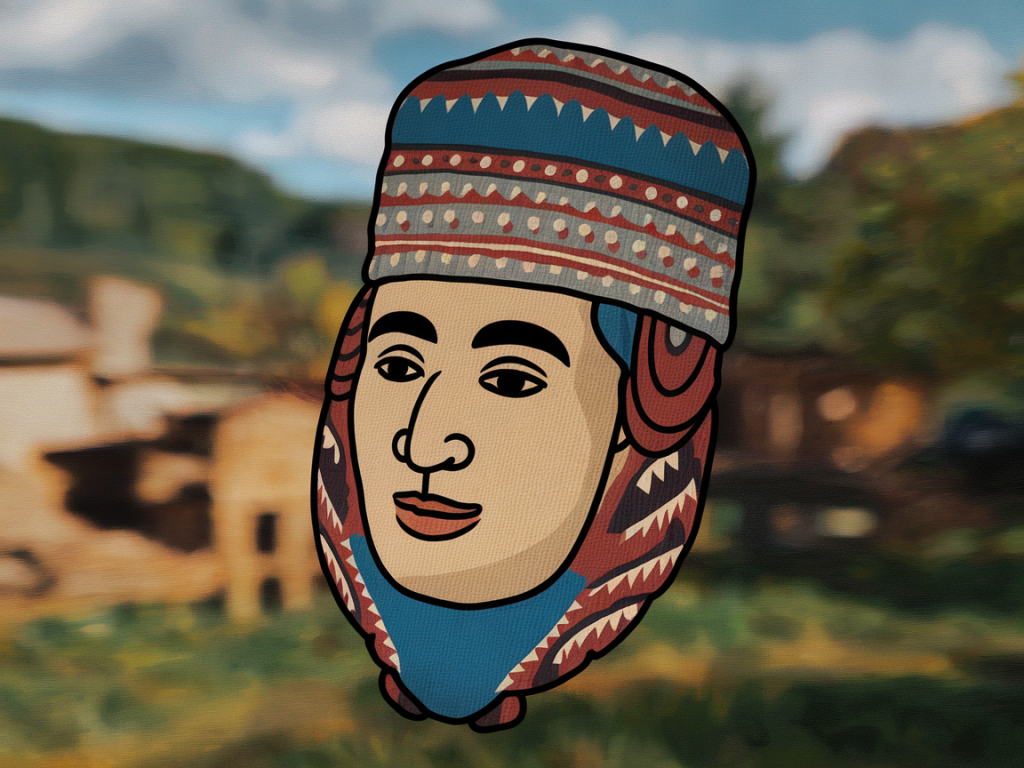
When I set out to design a knitted character inspired by a particular region’s folk identity, I don’t start with a stitch pattern — I start with questions. Whose story am I borrowing? What do the motifs mean to the people who live there? How can a small knitted figure carry a sense of place without flattening culture into a costume? Over the years, between festival stalls and kitchen-table knit circles, I’ve learned that respectful representation in craft is as much about listening as it is about technique.
Why regional specificity matters (and why it can be tricky)
Regional folk identities are rich tapestries of language, music, ritual, costume, and belief. When you aim to represent a Scottish island, a Yorkshire fair, or a Basque dance troupe in yarn, you’re engaging with living traditions that mean different things to different people. A well-chosen motif can celebrate continuity and spark curiosity; a clumsy pastiche can feel like erasure or caricature.
That tension is why I approach every character design with humility. I want my knitted creatures to invite conversations at festivals — to be little ambassadors who nudge people toward learning more, not to be definitive statements about a culture’s whole story.
Start with research, then reach out
Before I write a single row of knitting, I do three things:
- Read primary and secondary sources: folk tale collections, local history books, museum catalogues, and academic articles. For British islands I often turn to publications from the National Museums Scotland or local parish histories.
- Listen: oral histories and recordings of traditional singing, storytelling, and dialect offer nuance that photographs can’t capture. Archive sound collections (like the British Library Sounds) are goldmines.
- Contact local makers, historians, and community groups. This is the step most people skip, but it matters. I’ve emailed festival organisers, messaged craft co‑ops on Instagram, and knocked on the doors of small museums. People usually welcome interest — and they’ll tell you what matters to them.
When in doubt, defer to the community. If a pattern or symbol is considered sacred or restricted, respect that boundary.
Design choices that show respect
Practical choices in colour, stitch, and accessory can make a big difference. Here are approaches I’ve found useful:
- Use local materials where possible. If you’re creating a Welsh miner character, consider yarn from a Welsh mill; for Shetland-inspired pieces, Jamieson & Smith’s Shetland heritage yarn is a beautiful, ethically produced option that carries its own story.
- Be specific about inspiration. In the pattern notes and labels, explain which village fair, costume element, or tale inspired the design. Avoid vague "ethnic" claims; specificity educates and honours origin.
- Avoid checklist clichés. Not every regional character needs a stereotypical hat or dance pose. Think about rhythm and gesture that reflect lived practice rather than tourist snapshots.
- Choose motifs with care. Some symbols are community emblems; others might be modern brandings. If you borrow a crest, flag, or trademarked image, seek permission.
- Design for dignity. Represent people as complex human beings, not mascots. Even whimsical knitted characters can have realistic proportions, respectful dress choices, and backstories rooted in research.
Practical pattern-writing tips
When I publish a pattern inspired by a region, I include several elements that help knitters make informed choices:
- Contextual notes — a short paragraph about the region, what inspired the design, and sources consulted.
- Material provenance — suggestions for locally-made yarns or ethical substitutes (e.g., Rowan Felted Tweed, Jamieson & Smith, or local indie dyers) so readers can choose materials that echo the character’s origin.
- Customisation prompts — ways to adapt clothing, colour, or insignia with respect: replace specific clan tartans with palette-inspired stripes, for example.
- Attribution and collaboration credits — when someone from the community contributed knowledge, name them (with consent) and link to their projects or events.
When to collaborate, commission or compensate
There are moments when collaboration isn’t optional — it’s ethical. If a design draws heavily on a living tradition, I try to work with a maker from that place. Collaboration might mean co-designing a pattern, commissioning an embroidery motif, or inviting a storyteller to write the character’s backstory.
Compensation matters. Knowledge and time have value. I’ve paid local artisans for pattern motifs and offered festival stall swaps, but monetary payment is best practice: it acknowledges labour and builds trust.
Avoiding appropriation and stereotype
Appropriation often shows up as simplification, commodification, or erasure. Here’s how I try not to be that knitter:
- I don’t claim "authenticity" in advertising. My pieces are "inspired by" or "based on" — not definitive.
- I avoid mixing sacred motifs with novelty items. If a symbol is tied to ritual life, it’s not appropriate for a toy design without permission.
- I don’t make profit-driven copies of contemporary artisan work. If a living craftsperson has a distinctive style, I either collaborate or steer clear.
Examples from festival stalls and makers I admire
At a recent folk festival I shared a table with a Shetland lace knitter who kindly explained the difference between traditional lace for shawls and modern variations used in costume. Another time, a Welsh storyteller corrected my assumptions about a chapel hymn tune I’d wanted to incorporate as a motif; she suggested a better way to hint at its cadence without reproducing the hymn verbatim. These conversations shaped the final designs more than any book ever could.
| Respectful choice | Problematic choice |
|---|---|
| Credit and context in pattern notes | Vague "folk-inspired" label with no sources |
| Use of local yarn or transparent alternatives | Mass-produced novelty yarns that mimic traditional colours without provenance |
| Community collaboration and compensation | Profiting from niche motifs without consent |
How to present your finished characters at festivals
When I bring a regional character to a market or festival, I include a small card with background information, sources, and a note on collaboration. That tiny context can start conversations and signal that the piece has been made thoughtfully. If the character represents a living tradition, I also provide suggestions for further reading, local festivals, or makers to follow.
Festival-goers respond to that transparency. People often come to stalls hungry for stories; giving them a clear, humble narrative turns a purchase into a connection.
Designing inclusive characters is an ongoing practice. It asks us to balance curiosity with care, creativity with respect. As I stitch, listen, and learn, my aim is always the same: to make knitted figures that celebrate the people and places that inspired them, and to do so in a way that invites others to learn, meet, and join the conversation at the next folk gathering.