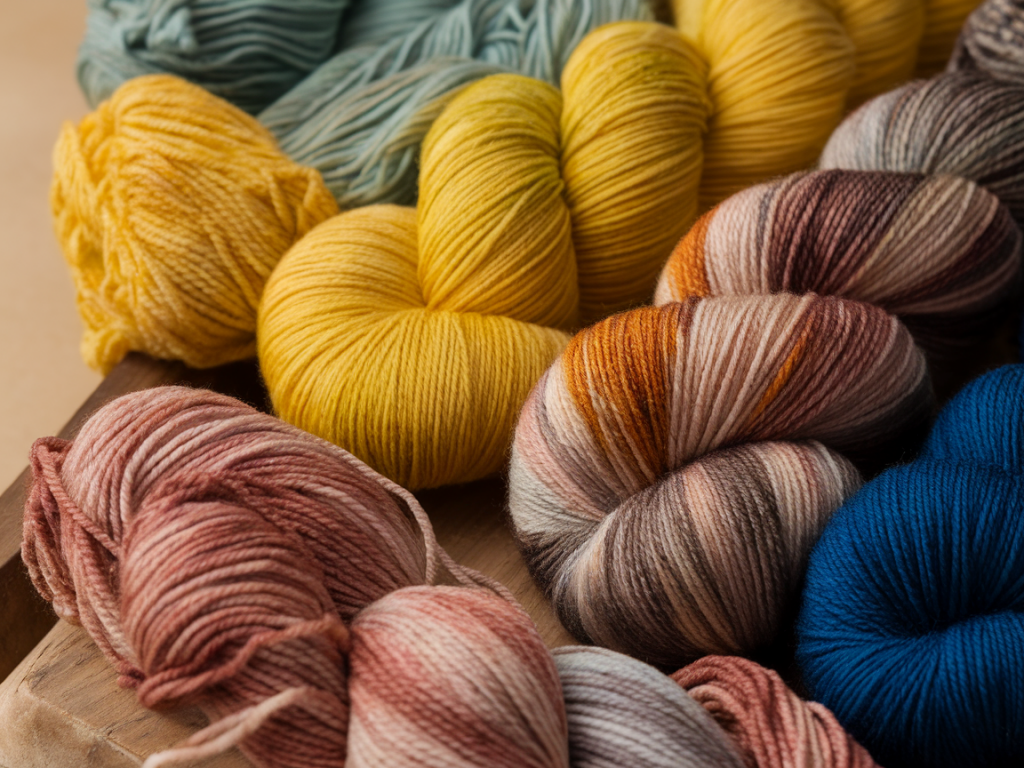
Festivals are cloth-eared to bad weather: one minute you’re under a warm sun, the next you’re sheltering from a drizzle while trying not to sit on a muddy patch. As someone who travels with needles and small knitted characters in tow, I’ve learned to choose yarns that survive a variety of outdoor conditions — resisting abrasion from backpacks, keeping colour after a week of sun and rain, and still feeling pleasant to wear next to skin. In this piece I’ll share what I look for in festival-friendly yarns and the brands and fibre blends that have earned a permanent place in my rucksack.
What I mean by “festival weather” and why yarn choice matters
When I say “festival weather,” I mean variable conditions: damp mornings, scudding cloud and bursts of sun, long hours in open stalls or on grassy banks, the occasional muddy track, and a whole lot of hands passing by your stall or admiring your knitted characters. That translates into three practical priorities for yarn:
- Durability — resistance to pilling, abrasion, and stretching when your creation lives in bags or on shoulders.
- Colourfastness — yarn that doesn’t run or fade after being splashed with rain or left in bright sunlight.
- Feel — nothing should be so scratchy that it ruins a festival jumper or makes a mitt unbearable after a day of dancing.
Fibres I reach for (and the ones I avoid)
I divide fibres into three camps for festival knitting: go-to workhorses, treat fibres for special pieces, and risky fibres to avoid for weathered use.
Go-to workhorses
- Wool blended with nylon — Think sock yarns like Regia or Opal. The nylon adds abrasion resistance and structure while the wool brings warmth and moisture management. I use DK or sport-weight blended yarns for toys and small costumes that need to survive being handled.
- Superwash merino blends — Soft against the skin and machine-washable, superwash merino blended with a little polyamide or acrylic is my choice for wearable shawls and festival jumpers. Brands I trust: Rowan Felted Tweed blends (for rustic durability) and West Yorkshire Spinners Signature 4ply superwash.
- Acrylic blends — Modern acrylics are vastly improved: they’re colourfast, inexpensive, and forgiving. Scheepjes Whirl or Sirdar Snuggly blends work well for colourful characters and banners that may be exposed to rain.
Treat fibres (use sparingly)
- Pure merino, alpaca, silk — Luxurious and soft, but fine fibres pill or matt under heavy use. I’ll use them for a festival hat or headliner piece that’s treasured, not for items that will be shoved into a backpack or left on a muddy bench.
- Cotton and linen — Great in hot sun and for market bunting, but they absorb stains and take time to dry after a shower. Good for warm, dry days but avoid for anything that will be carried in damp conditions.
Fibres I usually avoid for outdoor festival gear
- Anything prone to felting if wet (unless you want that effect).
- Fine laceweight mohair mixed into outerwear — it’s beautiful but inevitably pills and snags.
Colourfastness: what to look for and test at home
Bright stripes are festival catnip, but a new skein that bleeds into white cuffs is a heartbreak. Here’s how I test colourfastness before committing to a project:
- Rub a damp white cloth across a small length of knitted swatch; if the dye transfers, it’s not stable.
- Soak a swatch in cool water with a little Dawn or soap for ten minutes, then lift it out and check the water. If it’s murky, plan to pre-wash the yarn separately.
- Look for labels that state “machine washable” and “colourfast” or “acid dye stable.” Natural-dyed yarns can be beautiful but often need extra care.
Durability in practice: yarn weights and constructions I trust
I tend to favour the following constructions for different festival uses:
- Sock and fingering-weight wool/nylon — For little characters, gloves, and anything that will be handled constantly. Regia, Opal and West Yorkshire Spinners are favourites.
- DK/Aran blends with a twist — A tightly plied DK with a synthetic blend resists pilling and wears well as a pullover or cowl. Patons Kroy Sock and similar yarns adapt well to festival clothing.
- Bulky acrylic blends — Fast to knit and hugely resilient for banners, seat covers, or chunky hats. Scheepjes and Drops have lovely options in this space.
Care and aftercare — keeping festival knits looking good
Even durable yarns benefit from a little TLC. My portable festival care kit lives in my bag: a small soft brush, a travel-sized wool wash, and a mesh bag for handwashing. Tips I use often:
- Pre-wash any project that failed the colourfastness test — separate or with like colours.
- Air-dry garments flat on a towel out of direct sun to prevent fading.
- De-pill with a sweater stone or my fingers; avoid electric pillers on delicate fibres.
- For muddy adventures, scrape off dried debris and only wash if necessary to avoid unnecessary wear.
Patterns and projects that perform outdoors
When designing characters or festival gear, I pick textures and shapes that are forgiving: dense stitches that hide dirt, small limbs that won’t stretch out, and reinforced stress points. Some pattern ideas that work brilliantly outdoors:
- Small stuffed characters using fingering wool/nylon — compact and easy to dry.
- Fingerless mitts in DK superwash — warm, washable, and usable for phone handling.
- Chunky cowls in acrylic blends — quick to knit and easy to clean between events.
Quick comparison table: popular yarn choices for festivals
| Yarn | Fibre | Strengths | Best uses |
|---|---|---|---|
| Regia / Opal | Wool + Nylon | Durable, colourfast, stitch definition | Socks, small toys, gloves |
| Patons Kroy | Wool blend | Hard-wearing, good colour range | Jumpers, hats |
| Scheepjes / Drops Acrylic Blends | Acrylic +/- wool | Colourfast, inexpensive, machine-washable | Banners, chunky hats, market stock |
| West Yorkshire Spinners Signature | Superwash Merino | Soft, washable, good colourfastness | Shawls, wearable items |
| Malabrigo (select ranges) | Merino / single-ply | Beautiful hand, rich colours (can bleed) | Special pieces, not high-use items |
I always pack a small “festival swatch” of any yarn before committing to a big project — a 10cm square that tells me about colourfastness, stretch and how the fibre will behave after a day outdoors. Over the years, my kit has moved toward blends that combine warmth, practicality and a forgiving hand. The result: knitted characters, hats and bunting that survive the weather and still look like they belong on a sunny festival stall or a rain-soaked campfire.