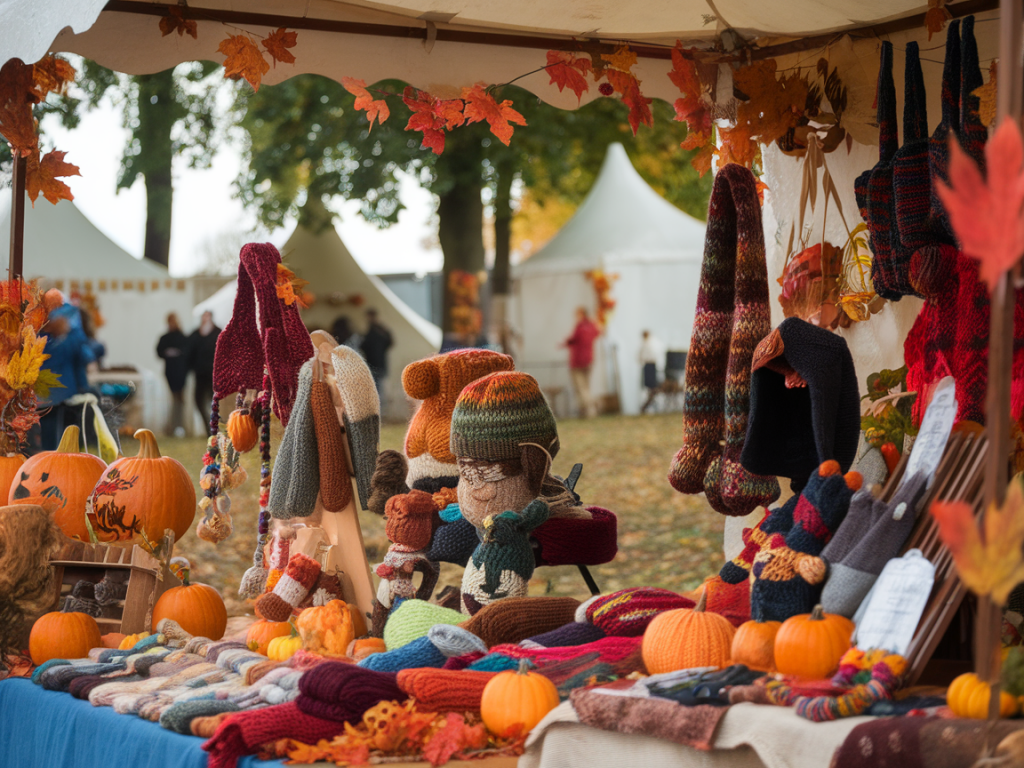
I’ve sold knitted characters from a little stall at more folk festivals than I can count, and one thing I’ve learned is that what you pack can make or break your weekend. Festivals are lively, charming, unpredictable places: weather flips, foot traffic surges, and you’ll be juggling sales, storytelling, and teaspoons of tea while trying to keep your knitted creatures looking irresistible. Below I share my tried-and-tested packing list, display tips, and practical tricks that keep my stall calm, inviting, and ready for anything.
Core items for the stall
These are the non-negotiables I pack every time — the items that turn a pile of knitted toys into a welcoming shopfront.
- Stock: bring a range of sizes, colours, and price points. My go-to mix is about 60% small/impulse-buy characters (under £20), 30% mid-range pieces (£20–£60), and 10% statement characters or sets that command higher prices.
- Display cloths and risers: foldable wooden risers or cake stands are brilliant for visibility; fabric with a neutral, textured look (linen or cotton) helps the colours pop. I usually take two neutral cloths and one accent cloth for seasonal flair.
- Tables and tablecloth clips: if the festival supplies tables, always bring a lightweight, portable table (I use a 4ft folding table) as backup. Tablecloth clips stop wind from turning your stall into a kite.
- Canopy or gazebo: weatherproofing is everything. A pop-up gazebo (2.5 x 2.5m) with side panels saved me during a summer storm. Look for something with a good canopy and easy setup like those from Coleman or Coleman-style vendors.
- Packaging: paper bags, branded tags, and compostable tissue paper make purchases feel special. I use kraft paper bags with a simple sticker logo and small resealable bags for accessories.
- Cash and card setup: I always bring a cash float (small denominations and coins) and a reliable card reader (SumUp or Square). Festivals increasingly prefer contactless, so make sure your device is charged and has offline mode enabled.
Tools, repair kit, and comfort items
When you’re on your feet all day, minor emergencies become major dramas if you’re unprepared. Pack a small toolkit and creature comforts.
- Sewing and repair kit: yarn scraps in matching colours, needles, a thimble, scissors, sewing pins, spare buttons, and a glue gun. I’ve darned a mitten and reattached an ear in a hurry — customers appreciate the care.
- Measure and price labels: a tape measure, spare labels, a black fine-point marker, and a portable label printer (Brother or Dymo) for tidy, consistent pricing.
- Comfort items: a foldable stool, insulated water bottle, snacks, and layers. I keep a thermos of tea and a woollen jumper in my stall box for chilly festival evenings.
- Lighting: rechargeable LED lights or a battery-powered lamp for late-afternoon gloom. I use warm LED strip lights clipped to the canopy for a cosy feel.
Security and transport
Protecting your stock and making packing/unpacking manageable are practical skills every stallholder learns quickly.
- Lockable storage boxes: plastic crates with lids stack well and protect yarn from damp. I label them by category (small toys, mid-priced, display) to speed setup.
- Secure cash box: a small lockable till or cash box that can be attached to the table helps deter casual theft.
- Trailer or car protection: a loading ramp, moving blankets, and straps keep everything secure during transit. I pad delicate pieces with bubble wrap or folded clothing in my car.
- Stall signage and branding: a banner with your stall name and website (I include mine: https://www.knittedcharacterfolkfestival.co.uk) helps customers remember you. Lightweight A-boards are useful, but check festival rules about free-standing signs.
Stock management and display strategy
It’s tempting to bring your entire collection, but a curated stall sells better. I think in themes and small vignettes.
- Create focal points: place three to five standout pieces at eye level to draw people in. Use a coordinating colour palette for each vignette.
- Rotate stock: keep a box under the table with replenishment items so the display always looks full. Swap items every hour or after a sale to keep the stall fresh.
- Price clarity: clearly label prices on or next to items. I avoid “ask me” pricing unless the piece is a unique commission — shoppers want quick answers.
- Story cards: small cards explaining the character’s inspiration, yarn details, and care instructions add value and connect buyers to the story behind the stitch.
Weather and festival-specific extras
Folk festivals are outdoor and adventurous. Plan for sun, rain, wind, and the odd dust cloud.
- Waterproof covers and bins: dry storage for evenings and a large bin liner to cover fragile items quickly during a rain squall.
- Weights for canopies: sandbags or foldable weights to stop your gazebo taking flight in gusty conditions.
- Sunscreen and insect repellent: for both you and your visitors — a small pump bottle of sunscreen and some citronella candles can be thoughtful touches.
- Portable fan or heater: depending on the season, a USB fan or a safe, small heater can make your stall a comfortable stop for shoppers.
Marketing, communications and customer care
People don’t just buy objects at festivals: they buy experiences and stories. Give them ways to keep the relationship alive.
- Business cards and flyers: small cards with your website (https://www.knittedcharacterfolkfestival.co.uk), social handles, and commission info. I hand these out with every sale.
- Mailing list sign-up: a simple clipboard sign-up sheet or a QR code linked to a Google form makes it easy for customers to join your newsletter.
- Small demonstration: I often knit one small piece in view to show technique and invite questions — it draws people in and humanises the stall.
- Gift-wrapping station: simple wrapping, ribbon, and a “gift-ready” sign can increase purchases, particularly later in the day when people are buying gifts.
Sample packing table
| Item | Typical quantity | Notes |
|---|---|---|
| Small knitted characters | 30–40 | Various colours and faces; impulse price point |
| Mid-range characters | 10–20 | Mid-sized, story cards included |
| Statement pieces/commissions | 3–6 | Higher price, standout display |
| Card reader and cash float | 1 each | Test offline mode and battery; £50 float |
| Gazebo and weights | 1 each | Quick setup; ensure festival-approved |
Packing thoughtfully helps me keep the storytelling alive while managing the practicalities of life at a festival. If there’s one last piece of advice I give other makers, it’s this: leave room in your kit for kindness — spare change for a child’s impulse buy, an extra tea for a fellow stallholder, a small heat pack to share on a cold evening. Festivals are about community as much as commerce, and coming prepared lets you enjoy both.