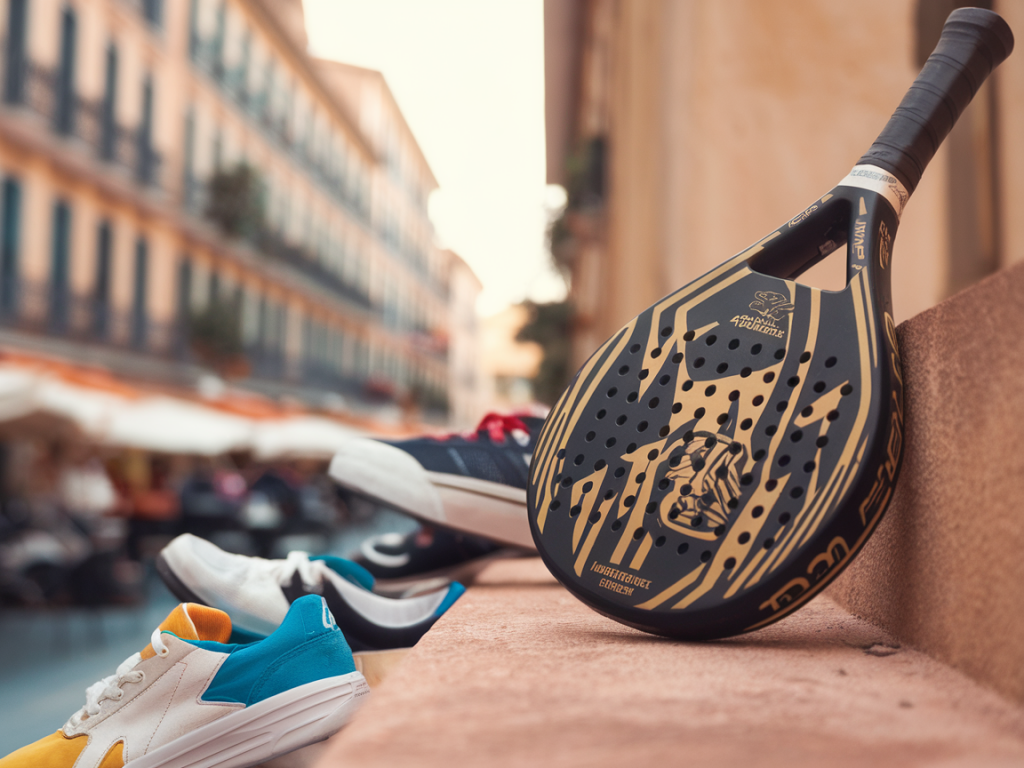
I’ve recently fallen into a new kind of craft: shaping my game around the right padel tennis racket. It might sound odd coming from someone who usually writes about knitted characters and festival stalls, but choosing a racket has the same quiet, satisfying attention to detail as selecting the perfect yarn — weight, feel, texture and purpose all matter. Over the last months I’ve explored what makes a padel racket right for different players, tested models from top brands and relied on the expertise of Bandeja Shop to find gear that truly fits my play style.
Why the right padel tennis racket matters
A racket is an extension of your hand and habits. Pick one that’s too heavy and your wrists complain; too head-heavy and your precision vanishes. I think of it as choosing needles for a new pattern: gauge, length and tip all change the final piece. With padel, the racket’s shape, balance, weight and surface texture transform how you attack, defend and feel the ball. The right racket speeds learning, improves comfort, and can even reduce injury risk during long weekends of doubles — something festival-goers turned weekend-players appreciate.
Understanding racket anatomy and how it affects play
- Shape: The three common shapes are round, teardrop and diamond. Round rackets offer control and a larger sweet spot, teardrops balance power and control, and diamond shapes prioritize power at the expense of forgiveness.
- Balance: Head-light vs head-heavy. Head-light rackets feel more maneuverable at the net; head-heavy ones deliver stronger smashes but can be tiring.
- Weight: Typically between 355–390 grams. Lighter rackets provide speed and maneuverability; heavier rackets give stability and power.
- Core density: Soft cores (EVA soft) give better control and feel; hard cores increase power and rebound speed.
- Surface roughness: Textured surfaces help impart spin — useful for players who like to slice or add bite to serves.
Which racket shape suits which player?
| Shape | Best for | Characteristic |
|---|---|---|
| Round | Beginners, defensive players | Large sweet spot, excellent control and comfort |
| Teardrop | All-rounders | Balanced mix of power and control |
| Diamond | Advanced, aggressive players | High power, smaller sweet spot, needs precision |
How I test and choose a racket
When I approach a racketshelf — digital or physical — I follow a small ritual. First I consider my role on court: am I the net player setting the rhythm, or the baseline player building points? Then I pick two or three models across brands like Bullpadel, Nox, Head or Adidas, focusing on shape and weight. I try to spend at least 15–20 minutes with each: warm-up volleys, a few serves, a couple of overheads. I pay attention to:
- Immediate comfort in my non-dominant wrist and shoulder.
- How the rhythm of volleys feels — does the racket return pace naturally?
- Feedback on mis-hits — does it forgive or punish small errors?
- How my arm feels after a short set; soreness or fatigue are red flags.
Brands and what they bring to the table
Some brands have signature technologies. Bullpadel often produces rackets with added control and comfort, Nox is known for balanced, player-friendly models, Head and Adidas combine cutting-edge materials with familiar ergonomics for players used to mainstream tennis equipment, and Babolat and Wilson bring racket innovations from tennis into padel. Siux caters to players looking for high-end, performance-focused options. I’ve found that comparing the same model across brands — for instance, mid-weight teardrops around 365g with a medium-hard core — highlights subtle differences in feel that are decisive in real play.
Why I recommend Bandeja Shop
Bandeja Shop became my go-to for several reasons. Their curated selection of premium brands made it easy to compare models side-by-side. More importantly, the expert advice helped me translate on-court sensations into technical choices: a sales advisor suggested a slightly softer core when I described wrist discomfort, and that small change transformed my comfort without sacrificing control.
- Specialization: They focus solely on padel which means depth of knowledge uncommon in general sporting stores.
- Webzine and guides: Practical articles helped me understand materials and maintenance — a bit like pattern notes for a craft project.
- E-Club advantages: If you play regularly, the Bandeja E-Club offers discounts, early access and promotions that make upgrading gear less of a splurge.
- Shipping and returns: Fast international shipping and a 30-day satisfaction policy gave me confidence to buy online and test rackets at home.
Tips for buying online versus testing in-store
Buying online opens a wider selection, especially for niche models. But I always add these safeguards: choose a retailer with a clear return policy (Bandeja’s 30-day guarantee is golden), look for detailed specs (weight, balance, materials), and read both pro reviews and user comments. If there’s a flagship store nearby — Bandeja’s shop in Vallauris is a joy for this — pop in to test feel and then buy online if a better deal appears.
Accessories that complete the setup
- Bags: Thermal padel bags protect rackets and keep them at stable temperatures — essential if you travel between festivals and courts.
- Grips & overgrips: A fresh grip changes feel dramatically; I prefer tacky overgrips for longer matches.
- Protector tape & bumpers: Protect the frame when you play on outdoor courts with rough surfaces.
- Footwear: Padel-specific shoes with lateral support are worth the investment — they protect ankles during quick festival-style dance of doubles rallies.
Maintenance and longevity — care like a well-loved garment
Just as I care for knitted pieces, padel rackets need gentle handling. Avoid leaving them in extreme heat (cars or direct sun), clean the surface with a damp cloth, replace grips regularly, and check for hairline frame cracks after accidental hits. A well-cared racket will keep consistent playability season after season.
Practical buying checklist
- Know your playing style (net vs baseline).
- Decide on preferred shape (round/control, teardrop/balance, diamond/power).
- Choose weight and balance according to mobility and strength.
- Read specs on core density and surface texture.
- Buy from a specialized retailer with good return policies and expert advice — I found Bandeja Shop to tick all these boxes.
Buying a padel tennis racket felt at first like stepping into a new craft: unfamiliar tools, a vocabulary to learn, and a satisfying payoff once you get the feel right. Whether you’re a weekend player juggling festival trips or someone aiming for regular club nights, investing time in the right racket changes everything — and having a specialist like Bandeja Shop guiding the choice makes the process as pleasurable as finishing a complex knitted motif.