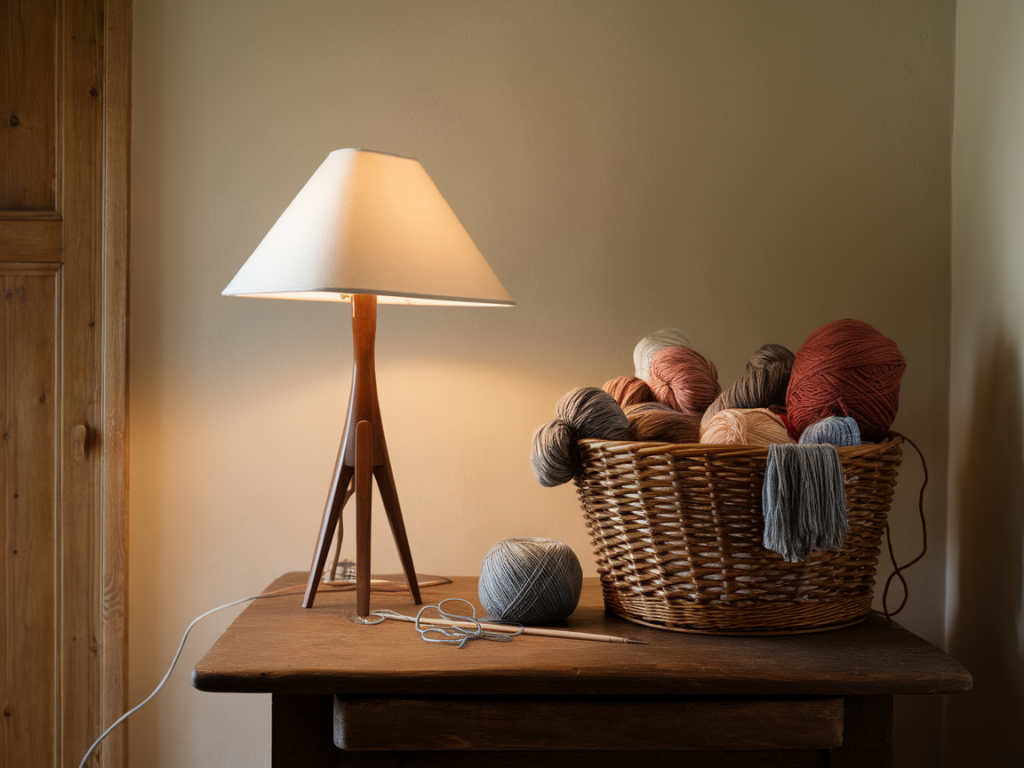
When I began planning a little series of knitted characters for a summer market stall, I naively thought I could order tiny custom-dye runs from a local UK mill and have perfectly matched minis for every personality. The reality was messier — but not impossible. Over several seasons I’ve learned which mills and makers will entertain under-50-metre dye runs, what to expect in terms of cost and lead time, and when to turn to indie dyers or alternative strategies. Here’s a practical, experience-based guide to help you source coloured yarn for character collections without ordering a whole bale.
Who will actually accept tiny dye runs?
Short answer: some small-scale UK mills, many indie dyers, and a few contract dyeworks will take on micro-runs — but you need to know how to ask, what compromises to accept, and how to plan ahead.
From my enquiries and collaborations, the following types of suppliers are the likeliest to help:
Practical list: UK mills and dyers that will consider tiny runs
Below is a table of options I’ve either used or spoken to. Note: policies change, so always email with your exact spec (fibre, weight, desired metres, pantone or physical swatch) and ask for a sample.
| Supplier | Typical Minimum | Fibres offered | Notes |
|---|---|---|---|
| West Yorkshire-based small mill (example: local mill A) | 25–50m | Wool, wool blends | Will do 25m mini-runs for existing customers; sample fee applies |
| Scottish croft mill (example: Highland MicroMill) | 50–100m | Pure wool, tweed effect | Excellent for rustic textures; lead time longer in season |
| Indie dyer collectives (e.g. Yorkshire indie dyers) | 20–100g skeins | Merino, British wool, blends, silk mixes | Most flexible; perfect for character palettes and hand-dyed uniqueness |
| Contract dyehouse (regional) | 200m+ (negotiable) | All fibres | Higher setup; good for small collections if budget allows |
Since I can’t promise every mill’s name will still be current, you’ll want to search “small yarn mill UK custom dye” and target mills that advertise small-batch or artisan services. Local textile networks, Ravelry UK groups, and festival maker circles are also goldmines for up-to-date recommendations.
Costs and lead times — what to expect
Custom-dye work always has two cost components: a setup or labelling fee, and the per-metre (or per-skein) cost. For tiny runs you’ll often pay a premium because the dyer’s time is the same whether they’re doing 30m or 300m.
I once paid a sample fee of £35 and an extra £10 per 25 metres for an unusual heathered effect — but the texture was perfect for the tiny sweaters I was knitting for my festival characters. If you need multiple shades, budget for multiple sample fees unless the dyer offers a blended-price deal for a palette.
Fibre types and weights: what to choose for character collections
For knitted characters I tend to prefer durable, slightly springy yarns that take stuffing well and hide seams. My go-to choices are:
Ask the mill if they can substitute a similar base if your exact yarn isn’t available. Many mills will match the fibre composition (e.g. 100% British wool vs 80/20 wool/nylon) but not the exact mill base — which is often fine for small craft items.
Colour matching and sampling — my tips
Colour matching is where projects fall apart or sing. Here are techniques that have saved me time and money:
I once had a beautiful raspberry tone come out a little orange in bright sunlight — it was a reminder to check samples in the lighting conditions of my stall.
When to use indie dyers instead
If the mill minimums or cost are prohibitive, indie dyers are your friends. They’re more flexible with very small skeins (20–50g), can create matching mini-sets, and often offer the most playful effects. Downsides: less industrial consistency if you need many identical skeins.
Alternatives and clever workarounds
If a mill won’t help or budget’s tight, consider:
How to pitch your request to a mill
Be clear and concise. My email template looks like this:
Politeness and flexibility go a long way. Mills appreciate makers who understand dye logistics and timelines — it helps them quote accurately and prioritise their work.
If you want, I can help draft an email to a specific mill or suggest indie dyers who specialise in tiny runs. Having a small parade of handmade characters in festival light, all decked in colours you dreamed up, is worth the extra planning — and the process teaches you a lot about how yarn, colour and story knit together.