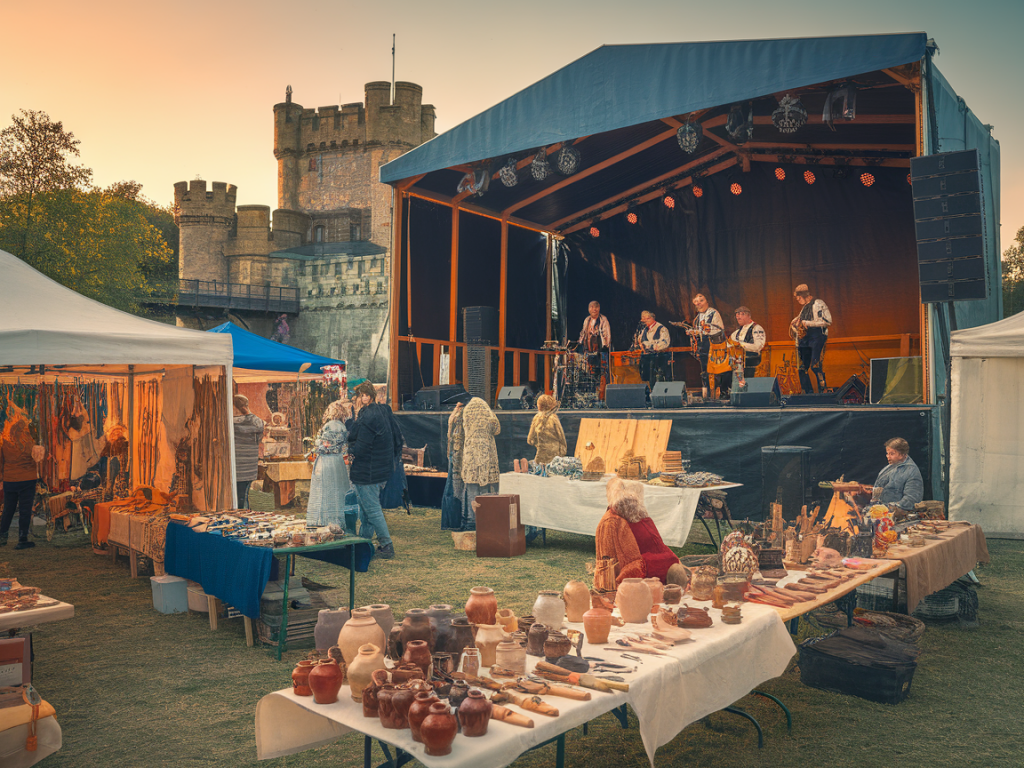
There’s a special rhythm to a multi-stage folk festival that I’ve come to know well: the beat of sets overlapping, the rise and fall of a crowd moving between tents, the small, steady conversations that happen at a stall while pipers or folk bands warm up nearby. As a maker who brings knitted characters to these gatherings, I’ve learned to treat a festival day like a performance — not just for the musicians, but for my work, my stall, and my own stamina. Here are the practical rhythms, transport tricks, and display hacks that get me through a long festival day with my characters intact and my spirits high.
Planning your day: time as the first tool
Time management at a multi-stage festival is a juggling act. I always start the night before with a clear schedule. I make a timeline from arrival to pack-down that includes setup, breaks, watch points for headline sets I want to see, and buffer times for unexpected queues or weather shifts. I use a simple paper planner for the big picture and set alarms on my phone for micro-tasks: ten minutes to check pricing signage, 30 minutes before the next act to pop out and listen, an hour to repack before the site closes.
My rule of thumb is to add 30% more time than I think I need for every major task. Setup that looks like it will take 40 minutes will usually take an hour and a quarter once you’ve navigated foot traffic, curious visitors, and last-minute rearrangements from organizers. This gives you breathing room and keeps stress down — plus it makes the whole day feel more spacious and more pleasant.
Packing and transport: making bulky things manageable
Transport is the practical heart of festival making. Knitted characters can be oddly bulky but surprisingly fragile. Over the years I’ve learned to think of transport in layers: protection for delicate items, easy access for bestsellers, and a clear system for returns and unsold stock.
- Sturdy trunks and soft crates: I use a combination of a wheeled hard trunk (think Samsonite-style luggage) and soft collapsible crates from brands like IKEA or Really Useful Boxes. The hard trunk protects fragile headpieces and props; the soft crates are great for quick access to stock on a busy day.
- Bubble wrap and fabric sleeves: For heads and delicate features, I wrap each piece in a thin layer of bubble wrap, then slip them into a cotton or muslin sleeve. The muslin breathes in damp weather and stops itchy fibers from rubbing on faces when people pick them up.
- Modular packing list: I keep a printed packing list in a laminated card in my trunk lid. It includes quantities of characters, signage, extra tags, cash tin, card reader, scissors, needle repair kit, and a tiny first-aid kit. Laminated means I can tick things off with a grease pencil and reuse the list event after event.
- Transport on-site: If I have a cart, I keep a waterproof tarp and bungee cords handy. For festivals with shuttle access, pack in stackable crates that fit easily in a van or on a trolley. Never assume there's a hand truck available — bring your own small, foldable trolley (I like the Bellaroad style carts) if you have to move several boxes across grass or uneven ground.
Setup hacks: quick, durable, and visually inviting
Setup at a multi-stage festival often happens while other parts of the site are still being erected. I aim for a stall that looks finished in fifteen minutes and can withstand a gust of wind or a curious dog.
- Table layering: I use two levels — a raised platform created with wooden risers (they can be thin, lightweight slats) and a lower display. This creates visual interest and allows more characters to be visible from a distance without seeming cluttered.
- Weighted corners: For outdoor shows, place small sandbags or weighted sacks under the front corners of tablecloths. They’re discreet and keep things from flying. I keep a few flat stones or reusable beanbags for the purpose.
- Signage that travels: A lightweight A-frame sign is a godsend. If the festival has a saddle tent or marquee rules about signage, take a small chalkboard or printable A4 signs in clear plastic frames that attach to the table using binder clips.
- Interactive touch area: I always create a small, tidy ‘feel station’ with example yarns and a touchable character. This invitation to touch increases dwell time and sales. A small hand mirror helps people imagine gifting a character to someone else — it’s a surprisingly effective nudge.
Pricing, transactions and busy periods
When the crowds swell between sets, you need a transaction system that is fast, accurate, and friendly.
- Card reader + backup: I use a modern contactless reader (like SumUp or Square) for speed but always have a small cash float for change. Festivals attract generations — some are card-first, others carry cash. A clear price list by item avoids hesitation at the point of sale.
- Pre-tagging: Tag everything with a price and a tiny product code. When a queue forms, I hand the customer a tag and write the code on the receipt so I can keep the pace up and not fumble through boxes for hours.
- Quick gift wrapping: Keep ready-made gift sleeves or small kraft boxes for hurried purchases. Customers are often buying presents at festivals and appreciate quick, pretty wrap options that don’t add time to the queue.
Displaying characters like a storyteller
My characters are more than objects — they carry tales. Think about display as storytelling. Each grouping should suggest a scene or a relationship.
- Create vignettes: Pair a character with a tiny handmade prop (a miniature acoustic guitar, a felted bonnet) and a short handwritten tag that hints at its backstory. People buy stories as much as things.
- Height and sightlines: Place the most expressive faces at eye level. Kids will crouch to peer at lower shelves; adults scan from shoulder height. Use the two-tiered method mentioned earlier to hit both planes.
- Lighting: If the festival runs into dusk, battery-operated LED clip lamps transform the display. Warm, diffused light flatters textiles and keeps colours true.
Energy and self-care during a long festival day
You are part of the performance too. Schedule micro-breaks: five minutes to stretch, a seated ten-minute cup of tea, a 20-minute snack stop between sets. I pack compact, high-energy foods — nut bars, dried fruit, and a thermos — and a small folding stool so I can sit at my stall without disappearing from view.
Finally, keep a repair kit within reach: a few spare needles, matching yarns, fabric glue, and a tiny sewing kit. Small repairs on the spot save a sale and keep the story intact. If a child tugs at a button or a scarf loosens, fixing it while the buyer waits creates a memory that often turns into a sale and a festival tale to tell.
| Item | Why |
|---|---|
| Wheeled hard trunk | Protection for fragile pieces |
| Collapsible crates | Easy access & stackability |
| Foldable trolley | On-site mobility |
| Battery LED lamps | Evening lighting |
| Card reader + cash float | Fast transactions |
| Small repair kit | Instant fixes |
There’s a choreography to a maker’s day that rewards preparation, lightness of touch, and a few well-practiced display tricks. When it all comes together — the characters neatly arranged, the tent full of conversation, and the music spilling over between stages — the work feels like part of the festival music itself. Pack thoughtfully, pace yourself, and let your stall tell its own small story in the larger folk chorus.