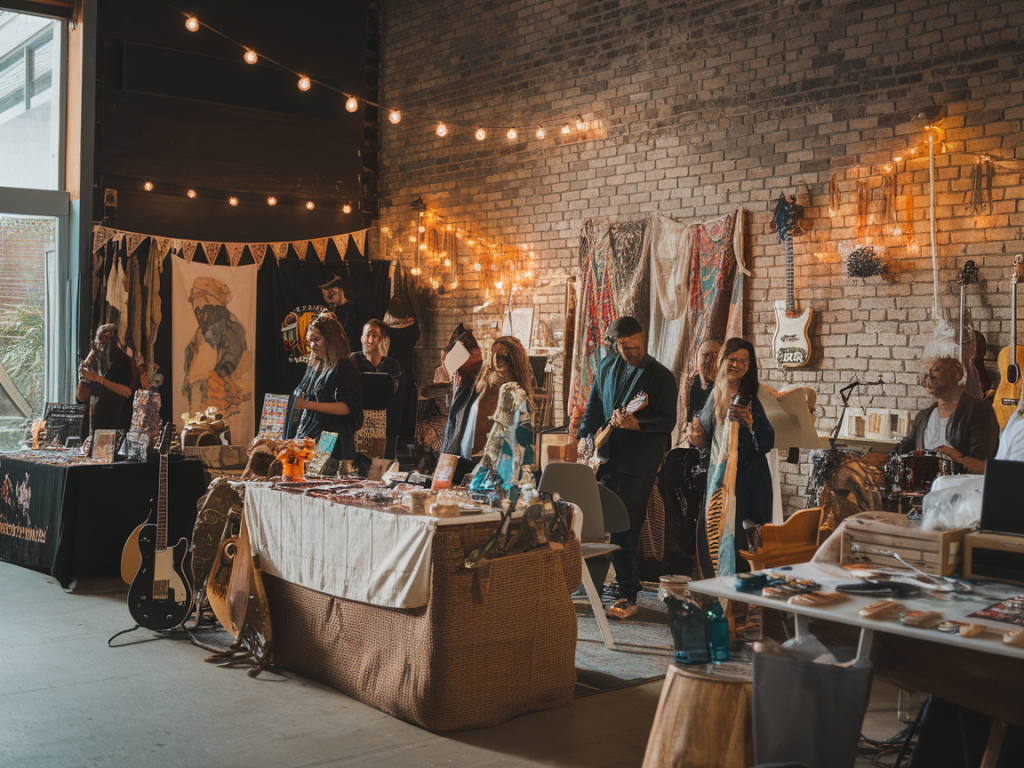
I’ve organised my fair share of pop-ups that stitch together the steady rhythm of makers’ fingers with the lively pulse of musicians’ tunes. When done well, these collaborations feel like a small festival: an intimate stage where craft and sound elevate each other and where audiences stay longer, buy more, and leave with a story to tell. Here are the lessons I’ve learned from running collaborative pop-ups that actually work — practical, honest, and made for people who love craft, community and good music.
Begin with a clear shared purpose
Every successful pop-up starts with a clear idea of why makers and musicians are coming together. Is the event a one-off shop window to launch a new collection? A fundraiser for a community project? A low-key summer series that brings extra footfall to a high street? When the purpose is agreed up front, it shapes everything else: the space, the promotion, the length of sets, and how sales and ticketing are handled.
I always begin conversations by asking: what do you want to gain from this collaboration? Makers might want sales and mailing-list signups, musicians might want exposure or merchandise sales opportunities. Once those goals are on the table, we design an event that serves them all.
Pick the right venue and layout
The physical relationship between stall and stage is crucial. Musicians need a clear sightline and a small area for their gear; makers need visibility and enough space for people to stop and browse without blocking the performance.
Practical layout tips I use:
Scheduling that respects both crafts
Musicians and makers work on different time rhythms. A long, uninterrupted acoustic set is dreamy but can clash with the ebb and flow of browsing. Shorter sets with clear breaks often work best.
Programming that complements, not competes
Think of programming as a conversation: music sets and maker activities should echo themes rather than compete. For example, if a maker is launching a collection inspired by seaside folklore, pair them with musicians playing sea-shanty-influenced sets or storytelling sessions.
Collaboration ideas:
Promotion: talk to both audiences
One of the biggest wins is cross-promotion: makers bring their customers, musicians bring theirs. Use clear, shared visuals and messaging so all partners can promote confidently.
Money matters: simple models that feel fair
Money conversations can be awkward but they're essential. Decide early whether you’ll charge stall fees, split takings, sell tickets, or use a flat artist fee.
| Model | Pros | Cons |
|---|---|---|
| Stall fees + performance fees | Predictable income for organiser; makers keep profits | Can deter smaller makers if fees too high |
| Ticketed event with revenue split | Shared risk; incentivises everyone to promote | Requires trustworthy accounting; more admin |
| Donation-based / free entry | Low barrier to entry; community-friendly | Unpredictable income; relies on goodwill |
My preferred approach for small pop-ups is a modest stall fee plus a modest performance stipend. For collaborative or themed seasons, a revenue split on ticketed sales can work well — but spell everything out in a short written agreement so partners know the terms.
Make agreements simple and kind
I draft a one-page agreement covering: event date/time, set lengths, payment details, health and safety responsibilities, cancellation policy, and who handles promotion. Keep the language friendly but explicit. If you’re using the space of a shop or café, get a clear confirmation on load-in/load-out times and insurance requirements.
Sound, tech and logistics
Good sound is non-negotiable. Hire a tech or designate a volunteer to manage levels if you're using amplification. Acoustic music can be perfect for makers markets, but even then, a small PA for vocalists or spoken word helps anchor the sound in a busy environment.
Accessibility and community care
Create an inclusive event by thinking about access: clear sightlines for those with mobility impairments, quiet zones for neurodiverse visitors, and clear signage. Musicians can be encouraged to offer one low-sensory set for attendees who prefer quieter sound levels.
We also build a code of conduct for the event: how staff and artists should respond to harassment, and whom to contact on-site. This small step builds trust and helps the day run smoothly.
Sustainability and materials
Make small eco-minded choices: discourage single-use packaging at stalls, provide water tap access instead of bottled water, and encourage performers to use rechargeable batteries where possible. This resonates with the values of many festival and craft audiences and reduces waste.
Measure success and gather stories
After the event, collect feedback from makers, musicians and attendees. Ask simple questions: what worked, what didn’t, and what would they change? Track sales numbers, mailing-list signups, and social media engagement to build a case for future events or for funding applications.
And don’t forget the warm, qualitative stuff: collect short quotes and photos of makers and musicians together. These stories are gold for your next promo and help capture the friendly, festival-like atmosphere that makes collaborative pop-ups so special.
Running a successful pop-up that brings together musicians and makers is less about perfection and more about generous planning: clear goals, thoughtful programming, practical logistics and a spirit of mutual support. If you design the event so every participant understands what they’re getting and has the chance to shine, you’ll create a small public gathering that feels like a community festival — full of stories, songs and things to treasure.