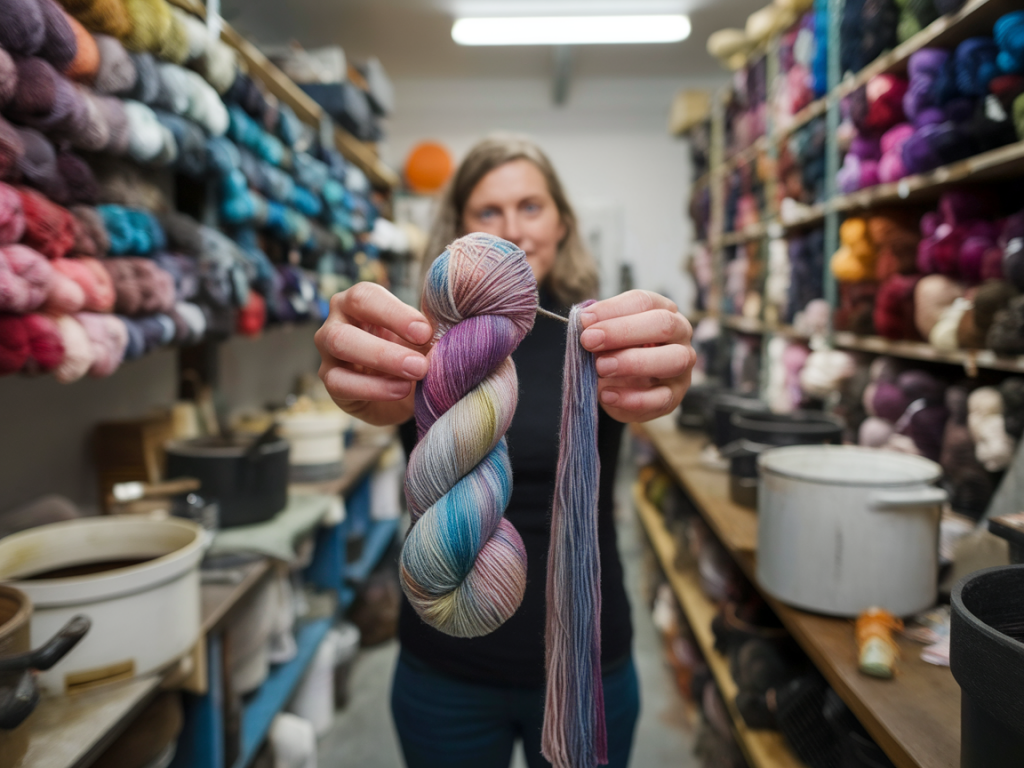
When I design a knitted character, the colour is often the first thing I fall in love with. A tiny blush on a cheek, a stripe that tells you a backstory, or a hat in a very particular mossy green can make a character feel alive. But for many of us who want something just a little different from shop-bought palettes, the question becomes: which local yarn suppliers will dye small-batch colours for my knitted characters — and how do I talk to them about minimums? I’ve learned a lot from commissioning small runs, sharing dye-batches with friends, and stumbling through my first negotiations with indie dyers. Here’s what I wish I’d known at the start.
Where to look for dyers who will work in small batches
If you want a local source, start with these kinds of suppliers:
In the UK I’ve often looked at names like Eden Cottage Yarns, Fyberspates, and John Arbon as examples of suppliers that run small-batch production and also collaborate with designers. Not every branch of a larger supplier will do custom work, so it’s worth a direct email or a phone call.
Typical minimums and what they mean for your characters
Minimum order quantities (MOQs) depend on the supplier and the yarn base. To give you a rough picture of what I’ve seen:
| Supplier type | Typical MOQ | Price per 100g (approx.) |
|---|---|---|
| Indie dyer (hand-dyed skeins) | 1–6 skeins (50–300g) | £8–£22 |
| Local mill / small batch mill | 5–20 kg (higher but consistent) | £6–£12 |
| Shop-commissioned colourways | 10–50 skeins | depends on base |
For knitted characters, you often don’t need a huge amount — many small toys take less than 100g of main colour and small leftovers for trims. That’s why indie-dyers are often the best match: they can dye 1–3 skeins in a single colour without fuss. If you’re aiming for a full collection of characters with many repeat colours, a mill might become cost-effective despite higher MOQ.
How to approach the dye conversation (and what to include)
Dyed yarn is part art, part chemistry. When I message a dyer I aim to be precise, polite, and helpful to their workflow. Here’s a checklist I use in every enquiry:
Here’s a short template I use and adapt:
Hi [Name],
I’m Élodie, a designer working on a small line of knitted characters. I’m looking for [base: e.g., 4ply merino/nylon, 50g skeins] in a soft mossy green (attached references). Do you do custom dyeing, and if so what’s your minimum order for this base and the cost per 50g? Also, do you offer single-skein samples and how long would a batch take? Happy to pay a deposit. Many thanks, Élodie
Negotiating minimums — practical strategies that work
Most dyers are open to negotiation if you show you understand their constraints. Here are approaches I’ve used successfully:
Remember: being polite and realistic goes a long way. Indie dyers often balance creativity with limited studio hours and materials costs. If a requested MOQ is outside your budget, ask what the smallest workable batch is and why — they’ll often explain the fixed costs that make very small runs hard to offer at regular prices.
Deciding on colour recipes and reproducibility
One of the joys of working with a dyer is creating a “recipe” — a set of instructions so you can reproduce the colour later. Ask for
For characters, consistency matters. A batch-dyed main colour alongside a hand-painted accent is a lovely compromise: your base remains consistent while small details keep the character unique.
Alternatives to commissioned dye-batches
If negotiation on minimums doesn’t go your way, consider alternatives I’ve used:
Logistics: timing, packaging and labels
Lead times vary. For indie-dyers, expect 1–6 weeks depending on their backlog and the complexity of the colour. For mills, allow several months. Always ask about shrinkage and care labels — I include washing instructions with every character I sell because some fibres behave differently after dyeing.
Finally, think about how you’ll credit the dyer: many indie dyers like a simple “Dyed by [Name]” note on your pattern or product tag. It’s a small gesture that supports the maker economy and often helps you build a long-term relationship for future colourways.
If you’d like, I can help draft a customised initial message for a dyer based on your yarn base and colour ideas — tell me what fibre you’re working with and the colour in mind, and I’ll write the message for you.